
BEAUTY
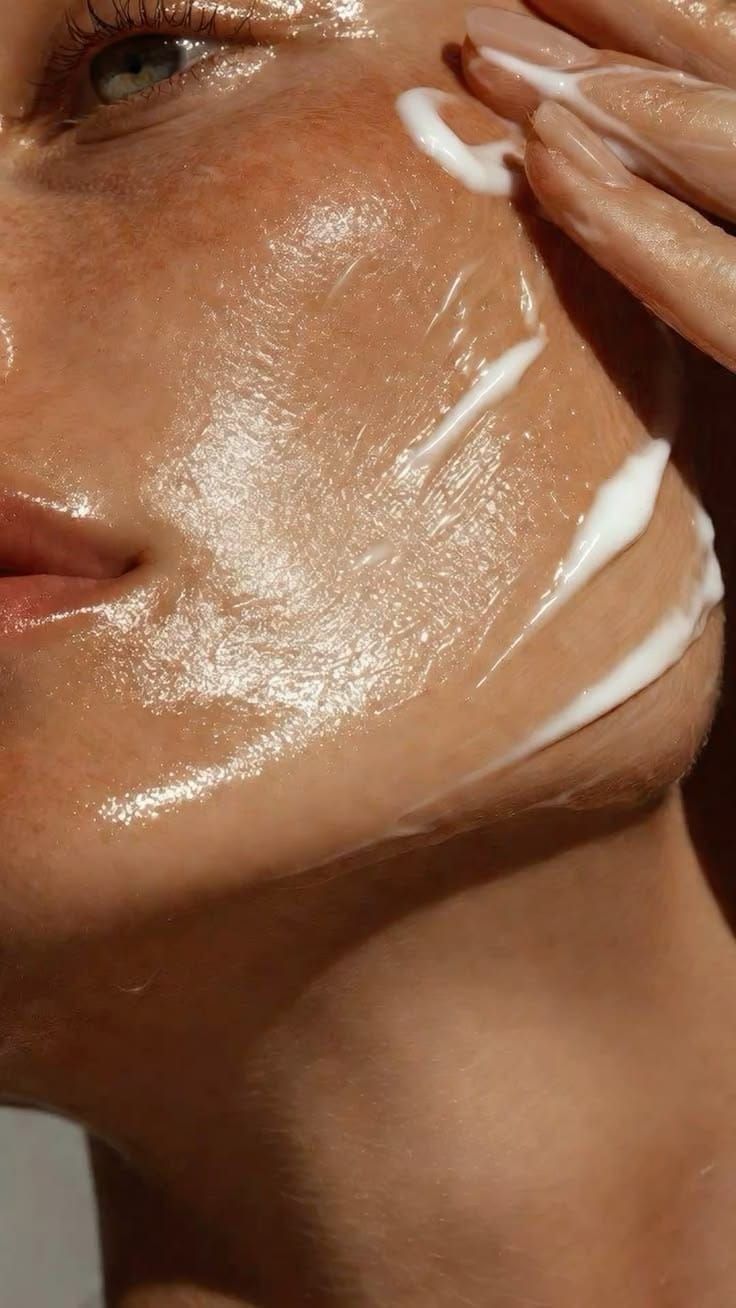
Ever since we found out that Creme de la Mer was more marketing and less product, we've been on a mission to find out exactly what we are putting on our skin, what's good, what's not so good and what's basically useless, looking at you silicones. We've already waxed lyrical over putting your favourite skincare into AI to find out exactly what they are doing, but what about new ingredients still under the radar?
You've got retinol, niacinamide, hyaluronic acid and vitamin C in your line up, you've done your research and your serum has the right potency. Love that for you. But as we're always into what's next for skincare, and aging like Peter Pan, there's no stopping to the research. So we went looking for what's coming next and the ingredients dermatologists in the know are already obsessed with that haven't filtered down to the masses.
Azelaic Acid
This one is one you might have heard of as The Ordinary has had it in their product line up for 10 years, and you know those guys only have ingredients that deliver. Azelaic acid is in the 'treat' part of your skincare routine, and tackles acne, rosacea-related redness, hyperpigmentation, and uneven texture. It's prescription strength but you can get it over the counter, no need for a doctor's note, no drama. If your skin runs hot (rosacea, post-breakout marks, easily made angry) and retinol has burned you before, this is your way back into actives without all the redness and peeling.
Tranexamic Acid
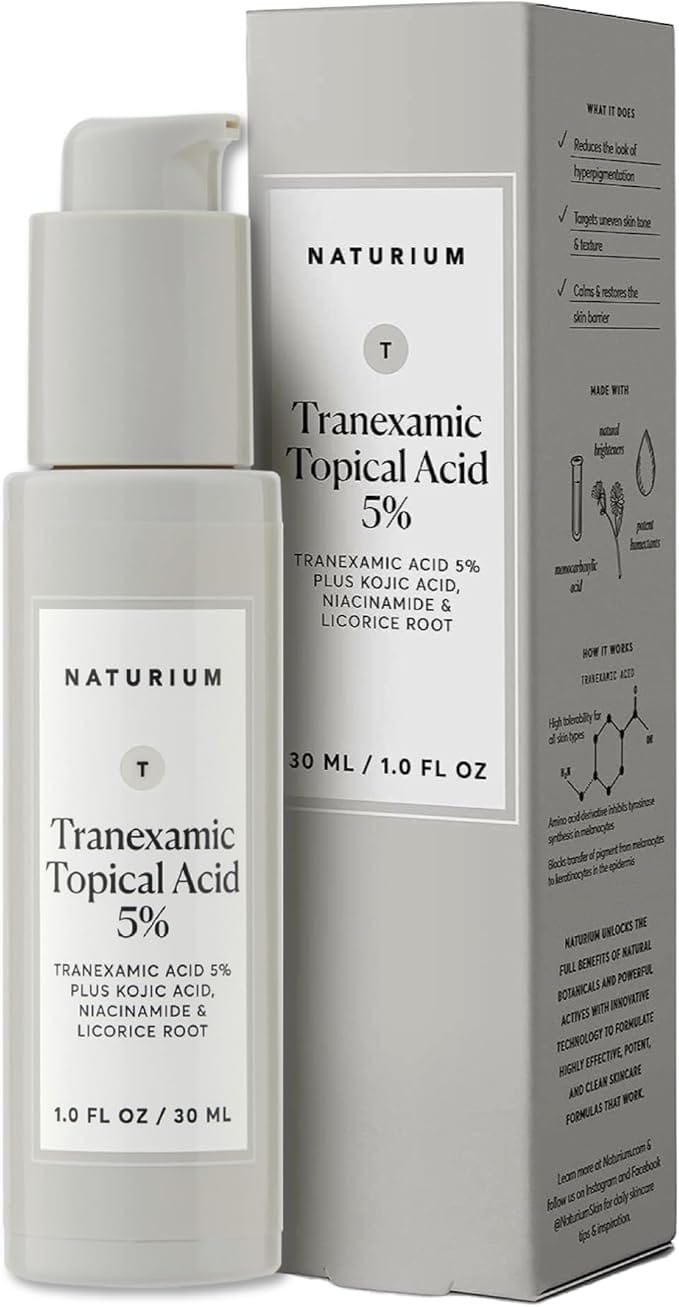
Originally used to stop people bleeding too much during surgery, someone clever realised it also fades pigmentation and melasma better than most things on the market. It works on stubborn dark patches that vitamin C just waves at from a distance. It's still under the radar because it sounds terrifying on an ingredient list, but it's one of the few things that really gives results on hormonal pigmentation.
Bakuchiol
The "natural retinol alternative" marketing is doing it dirty because bakuchiol isn't a watered-down retinol. It's its own ingredient, derived from the babchi plant, and recent studies have it going toe to toe with retinol on wrinkles without the all the flaking and peeling. It's worth trying if you want the results without the multiple week sulk period your skin throws when you introduce retinol. Not worth it if you're very retinol-tolerant, in which case, stick with what works.
Centella Asiatica (Cica)
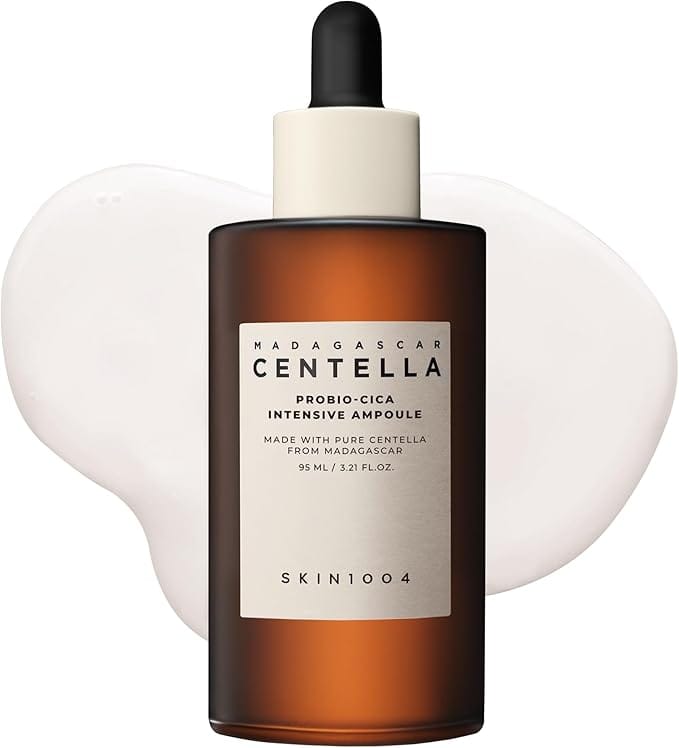
Centella Asiatica, also known as Cica or Tiger Grass, is a soothing botanical powerhouse well used in K-Beauty for calming redness, reducing inflammation, and repairing a damaged skin barrier. Making it ideal for sensitive, acne-prone, or irritated skin. Korea might have been obsessed with this for decades but we're all chasing that glass skin. If you want to incorporate Cica into your routine, several popular K-beauty formulations are highly rated:
- SKIN1004 Madagascar Centella Ampoule: A pure, 100% Centella extract that rapidly soothes the skin and regulates oil and moisture. This as your first product is a game changer for dry skin.
- SKIN1004 PROBIO-CICA INTENSIVE AMPOULE: Formulated with fermented Centella for enhanced hydration and barrier recovery.
- Dr.Althea Pure Grinding Cleansing Balm: A cleansing balm that melts away makeup while utilising Centella to soothe stressed skin.
Polyglutamic Acid
Another powerhouse ingredient, it holds up to four times more moisture than hyaluronic acid and unlike HA, it doesn't pull moisture from your skin if the air around you is dry, which, hello, summer air conditioning. Derived from fermented soybeans, this natural amino acid polymer forms a lightweight, protective film on the skin's surface, deeply hydrating the epidermis while preventing water loss. If your skin drinks product, this is the upgrade you need.
Ectoin
This is the one nobody's heard of and everyone should. Its a natural amino acid derivative produced by extremophilic bacteria to survive in extreme conditions, salt lakes, deserts, etc. In skincare, it acts as a powerful protector and osmolyte, shielding cells from pollution, heat and environmental stressors, strengthening the skin barrier and delivering deep hydration. It's showing up in more and more serums and it deserves way more attention than it's getting.