
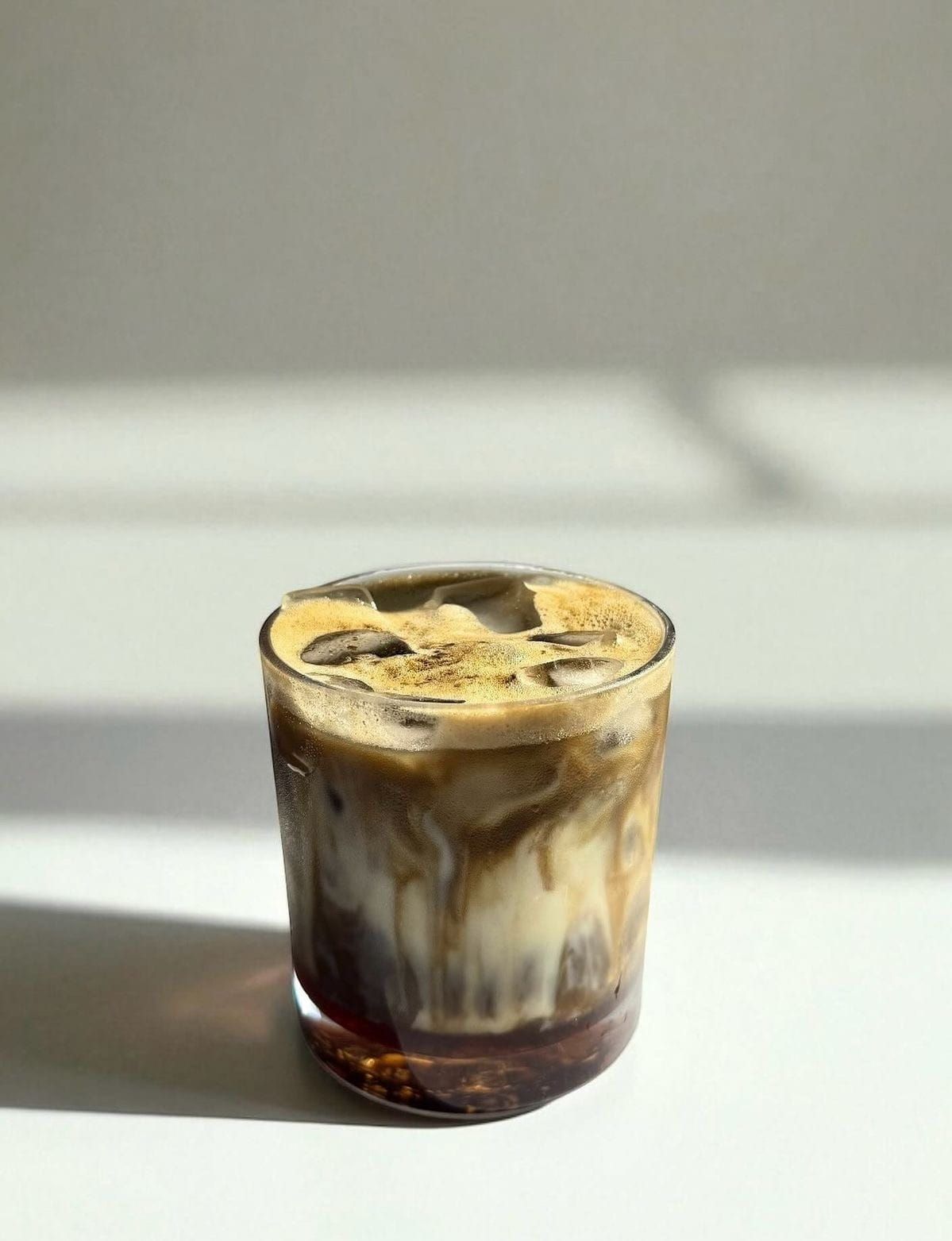
We get it, you swapped your coffee for matcha, you love it, it changed your life, you might have built a whole identity around it. But let's be honest, even the most ceremonial grade matcha tastes like grass. And it really seems like a waste of all the health benefits when it's topped with a sugary strawberry syrup to make it bearable. So if this sounds legit, and don't get all defensive, then it's time you met Hojicha, Japan's roasted green tea, and arguably the most underrated drink in the wellness space right now.
What Is Hojicha?
Hojicha (pronounced hoh-jee-cha) is made from the same green tea plant as matcha, sencha and gyokuro, but what sets it apart is what happens next. Rather than being shaded or stone-ground, the leaves are roasted at high temperatures, which is what gives hojicha its distinctive reddish-brown colour, its earthy sweetness and that signature toasty aroma.
The result is something that tastes nothing like your average matcha. It's slightly smoky and naturally a little sweet, closer in feeling to a cosy evening drink than anything you'd associate with wellness. In Japan, it's traditionally been a favourite among children and the elderly for its soothing qualities, low acidity, and gentle caffeine content. The fact that it's taken this long to go global says more about our collective obsession with bitterness-as-wellness than anything else.
The Wellness Case for Hojicha
Here's where it gets interesting. Hojicha isn't just pleasant, it's as good for you as matcha and its got science backing it up. Firstly, it won't wire you, hence its aforementioned soothing qualities. This is the major benefit for most people looking to make the switch. Hojicha contains 7 - 15mg of caffeine per cup, compared to 30 - 50mg in sencha and around 95mg in coffee. That means you can drink it at 9pm without lying awake recalculating your life choices. For anyone who loves the ritual of a warm drink in the evening but has given up on tea or coffee after midday, this is a significant win.
It still has antioxidants. The roasting process does reduce some of the original catechins, but research published in Foods (2025) found that over half of hojicha's polyphenols and a quarter of its flavonoids remain active even after digestion, so you're still getting real antioxidant support.
It contains L-theanine. This is the amino acid that makes matcha drinkers feel focused without feeling jittery and its present in hojicha too. L-theanine can cross the blood-brain barrier and one study of 30 healthy participants found that consuming 200mg of L-theanine daily for four weeks significantly improved executive function, reduced sleep latency, and reduced the use of sleep medication.
It's uniquely good for concentration. Compared with matcha, hojicha has been shown to enhance feelings of refreshment and motivation and to peak earlier in the EEG P300 wave, a measure of concentration, suggesting a positive correlation with improved cognitive ability.
It's kinder to your gut. Hojicha is notably more gentle on the gut than matcha and it's traditionally consumed after meals in Japan for exactly this reason, it's believed to reduce bloating and support digestion.
It contains pyrazines. This one tends to get buried in the research, but it's worth knowing about. Hojicha is the only green tea where the roasting process creates pyrazines, these are compounds that promote relaxation and may support GABA production. This is part of why drinking it feels genuinely calming rather than just warm-and-neutral.
Replacing The Matcha Ritual
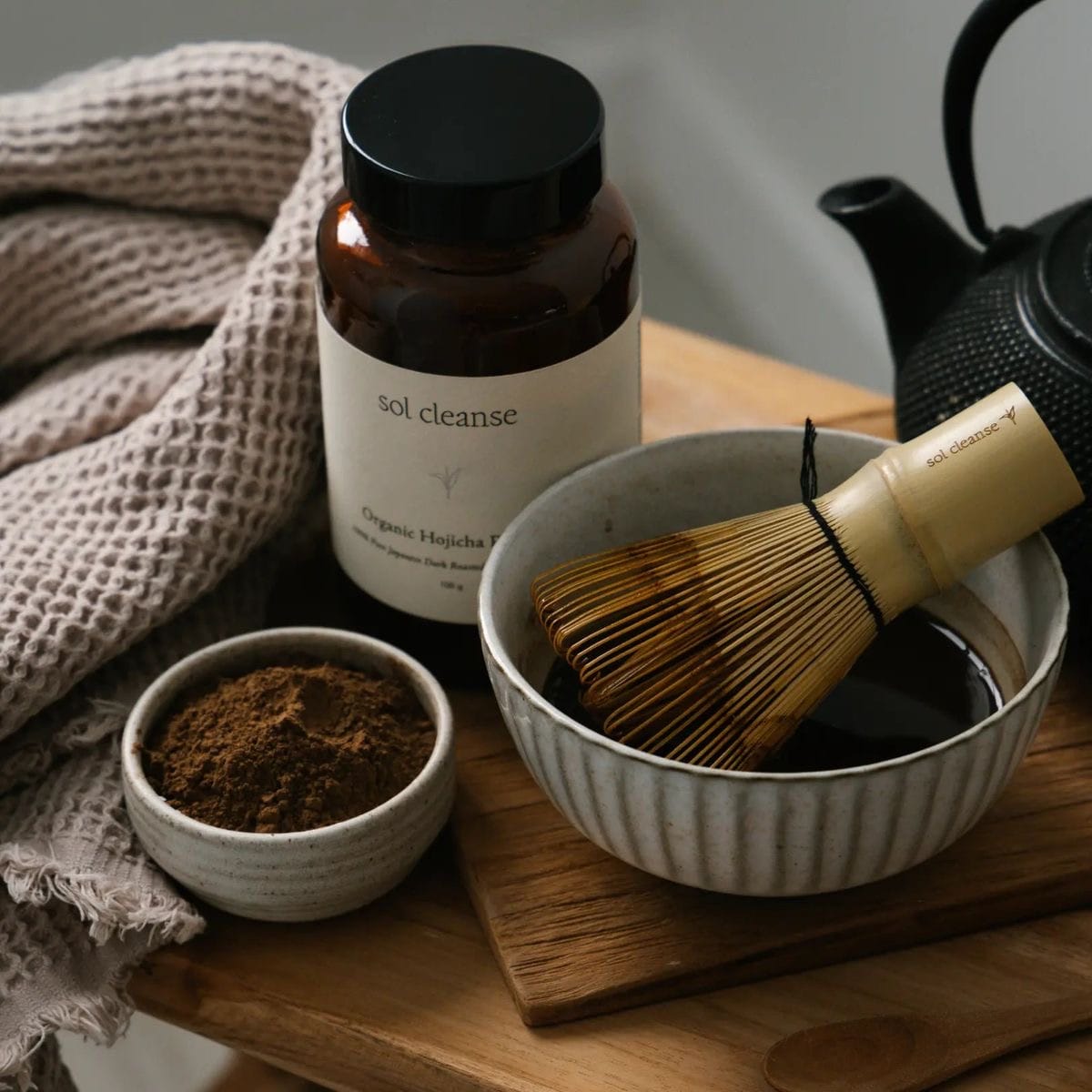
We love a ritual, and the matcha rital with the bowl and the wisk is a big part of people's morning ritual. So a big part of what's driving hojicha's cultural momentum right now goes well beyond the nutritional profile. There's the same ritualised slowness to making it, same as matcha. You cannot use boiling water, so you wait a couple of minutes before brewing. It requires a certain focus and for many people, that method is becoming a ritual in itself.
How to Drink Hojicha
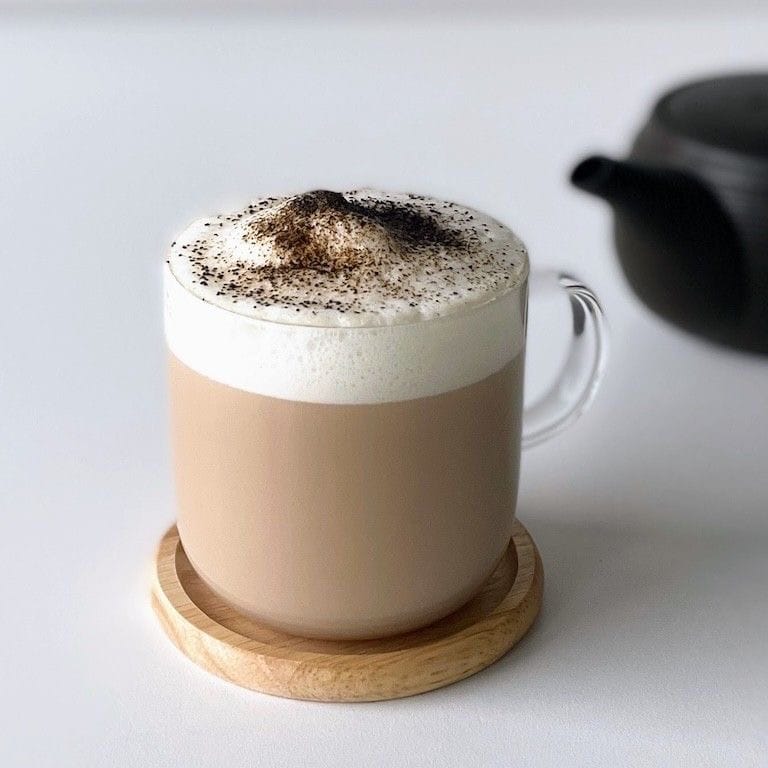
The easiest entry point is hojicha powder, which you can whisk into hot water or steamed milk exactly as you would matcha. A hojicha latte, particularly with organic oat milk, homemade almond milk (you know how we feel about this) or coconut milk, is one of the nicer things you can drink in the evening. It's also increasingly appearing in cafés across Dubai, London and New York for anyone who wants to try it made by a professional before going for it themselves.
Beyond beverages, it works surprisingly well in baking in ways that matcha never could, with hojicha shortbread, hojicha tiramisu, hojicha blondies appearing. The earthy depth cuts through sweetness in the same way a quality coffee does, which makes it a brilliant ingredient if you like your bakes to have some complexity.
Should You Make the Switch?
We're not trying to persuade you to abandon your morning matcha. The two are doing different things despite the same origins. Matcha is your daytime focus drink and hojicha is your evening wind-down. They sit well together in a daily rotation.
But if you've been looking for something that's still as good for you, easy to drink at any time of day, low-caffeine, gut-friendly and a little less earnest than matcha's very specific wellness-industrial-complex energy, hojicha is probably already what you've been looking for.