INTERIORS
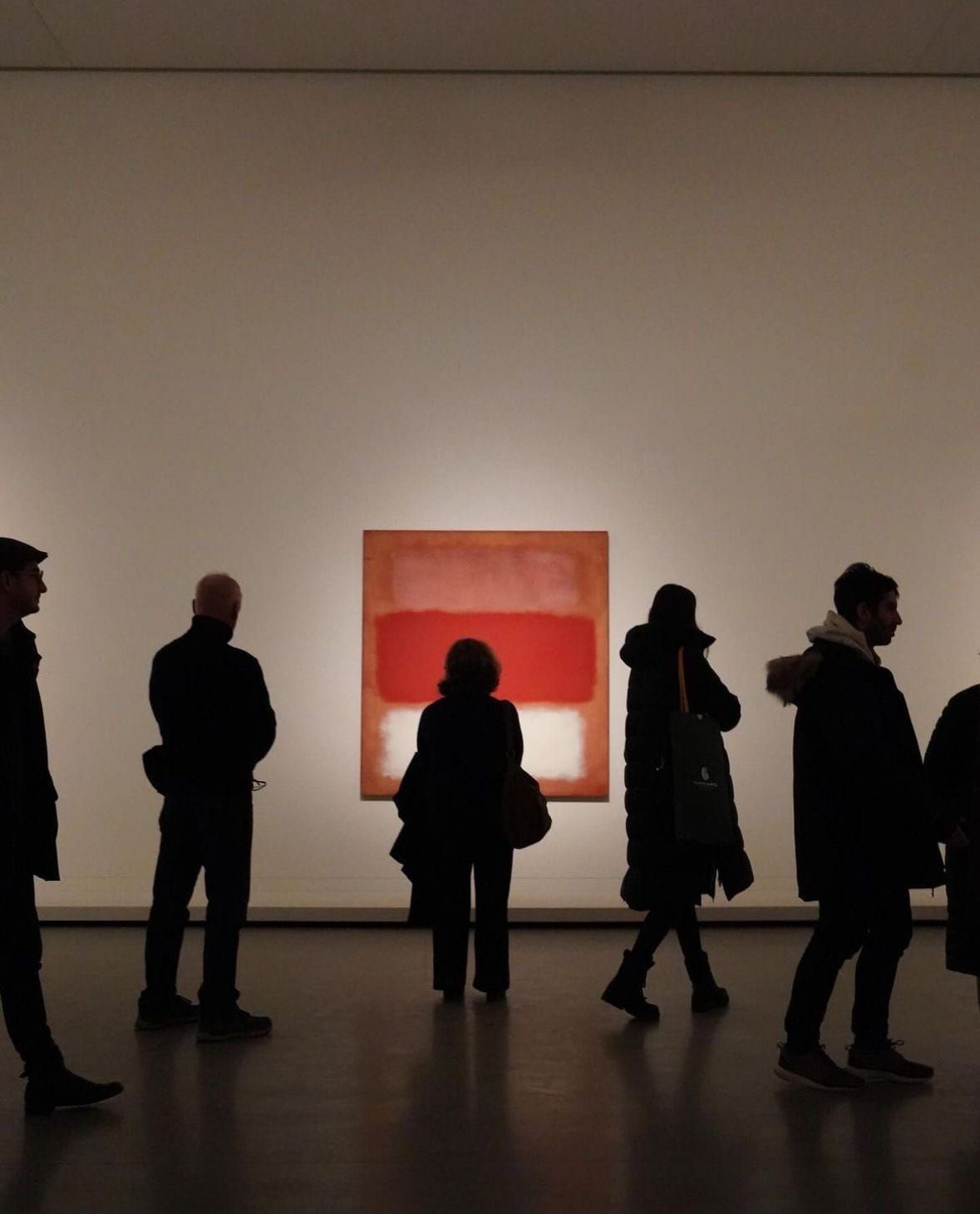
Nobody tells you how to buy art. You’re just supposed to walk into a gallery, feel something, and then presumably know what to do next. Meanwhile you’re standing there nodding slowly at a canvas, trying to look like you have thoughts, wondering if it’s acceptable to check the price tag or if that makes you look like someone who checks price tags. It’s awkward for everyone and it has put a lot of people off buying art entirely, which is a shame because living with art you actually love does genuinely change a room in a way that another throw pillow never will.
So here’s how to actually do it without having to pretend you know what you’re talking about.
Know what you like before you spend a penny
Artsy, Saatchi Art, get on them before you go anywhere near a gallery. No ambient jazz, no one hovering, no pressure. Just scroll, screenshot everything that stops you, and after an hour you’ll have a pretty clear picture of what you’re actually drawn to versus what you think you’re supposed to like. These are not always the same thing. Do this first. It’ll save you buying something expensive that you’re already tired of by the time it’s hung on the wall.
Prints are not the consolation prize
There is a weird snobbery around prints that needs to go. A limited edition print, numbered, signed, from an artist whose work you love, is a completely legitimate thing to own and can absolutely go up in value. What you want to avoid is open edition, which is essentially a poster with better PR. Limited edition = controlled run, has value. Open edition = unlimited copies, does not. Know the difference and no one can confuse you.
Learn four words and you’re basically fluent
Original: one of a kind. Limited edition: reproduced but in a controlled numbered run. Open edition: unlimited copies. Provenance: the documented history of where a piece has been matters more the more valuable the work. That’s genuinely all you need. You can walk into any gallery and hold a full conversation on just those four things.
Buy what you actually like, not what impresses people
This sounds so obvious and yet the amount of art bought because it seemed like the right thing to say yes to is more than you’d think. The only question worth asking is whether you want to look at it every single day. If the answer isn’t yes, walk out. The art will survive.
Go bigger than feels comfortable
Small art on a big wall is one of the saddest things in interiors and it happens constantly. Measure your wall before you buy anything, take those measurements with you, and aim for something that fills roughly two thirds of the space. If you’re doing a gallery wall, lay everything out on the floor first and sort it there. The floor is very forgiving. The wall is not.
Set a budget and just start
Art exists at genuinely every price point and the entry level is lower than most people assume. Emerging artists are often the most interesting buy — you’re getting in early, the price reflects that, and occasionally the work becomes worth considerably more once everyone else catches up. No guarantees, obviously, but it’s a better story than buying something mid-range from a brand you’ve already forgotten. Start somewhere, buy one thing you love and now you’re a collector.