
TRAVEL
With Ramadan starting today on 18th February and likely ending on 17th March, we're sure that some of you might be in a little bit of panic mode if you've got a holiday booked during this time. You might be wondering if you need to cancel your trip or rethink your plans once you are at your destination. Short answer: no. Longer answer: it depends where you're going and what you're expecting.
Traveling during Ramadan as a non-Muslim isn't disrespectful but you need to know what the customs are in the country you are visiting. Some destinations handle it beautifully, with a mix of respect for those observing and accommodation for those who aren't. Others can be a little more tricky for those not fasting if you're not prepared. Here's where to travel during Ramadan, what to expect, and how not to accidentally be an asshole.
What Actually Happens During Ramadan
Ramadan is the Islamic holy month of fasting. Muslims fast from sunrise to sunset, no food, no water, no smoking, no chewing gum. It's a time of reflection, spirituality, prayer, and community and one that Muslims look forward to all year.
For travellers, this means a few things to be aware of. Many restaurants and cafes in Muslim-majority countries will be closed during daylight hours. Some will have curtained-off areas for non-fasting guests, others won't serve anyone until sunset. Bars and clubs might be closed entirely, or operating on reduced hours and music or DJs are likely to not be played.
Iftar is the meal that breaks the fast at sunset, and it's a big deal. Restaurants can be busy especially for local cuisines, there's a seasonal energy in the air, and if you're invited to an iftar, say yes. It's a wonderful experience. Suhoor is the meal after Iftar and anytime before sunrise. Many locations will offer a late evening Suhoor but for the one just before the morning prayer, most people will have it at home.
After Iftar, cities will come alive. Streets are filled with people, shops and restaurants stay open late and you'll likely see people dining together at 3am. It's vibrant and energetic and genuinely special if you're open to it.
The Best Destinations During Ramadan
These are Muslim-majority cities that are tourist-friendly, cosmopolitan, and know how to handle both observers and non-observers in a way that's accomdating to all.
Dubai, UAE
Dubai during Ramadan is honestly brilliant, yes we are biased because we are here and yes, it's very much a Muslim city observing Ramadan. But it's also hyper-aware that it's a global tourist hub, so they've figured out the balance with a lot changing over the last few years.
Hotels serve food and drinks to guests all day. Almost all restaurants in malls and tourist areas have sections for non-fasting diners. Independent cafes also serve food and the previously covered windows have disappeared in recent years. After sunset, the city transforms. Ramadan night markets, special iftar tents, late-night shopping, the whole vibe shifts and it's incredible. You get to experience the cultural significance without feeling like you're intruding.
What not to do: Don't eat, drink, or smoke in public during fasting hours. Hotel rooms, designated restaurant areas, fine. Walking down the street with a sandwich, not fine. You're not going to starve, you just need to be slightly more mindful about where you eat. Also, dress modestly. More covered than you would in summer. Both shoulders and knees should be covered and nothing too tight or revealing. Keep displays of affection to your hotel room not public places, even after Iftar time. We don't mean don't hold hands but no one wants to see you smooching.
Istanbul, Turkey
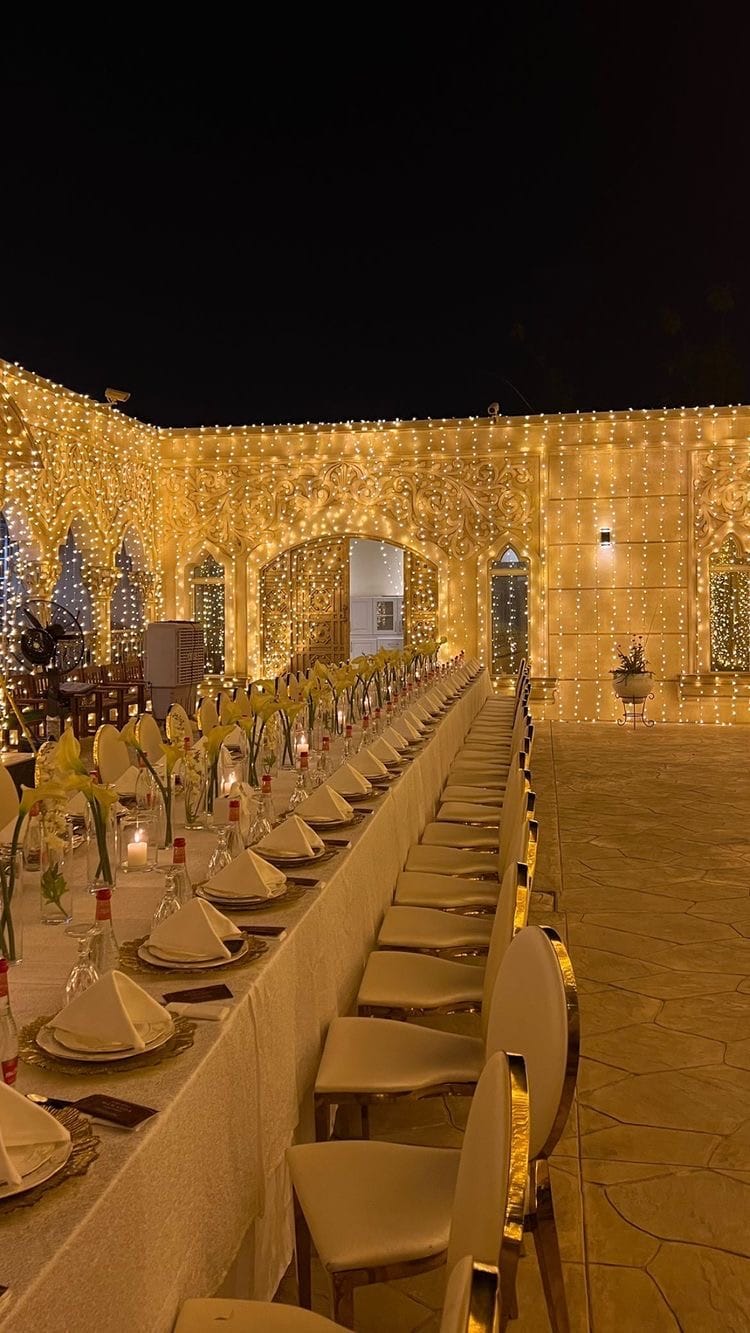
Istanbul is magical during Ramadan. The city has been doing this for centuries and they've got it down. Restaurants stay open for tourists, especially in areas like Sultanahmet, Beyoğlu, and along the Bosphorus. You'll find plenty of places to eat during the day. But if you can, join an iftar. Turkish iftar spreads are unreal, and many restaurants offer special iftar menus that are worth experiencing.
The evening atmosphere is unmatched. Streets are lit up, there's live music, people are out walking, eating, socializing. It's community-focused in a way that feels genuinely welcoming.
What not to do: Same rules. No eating or drinking in public during fasting hours. Dress modestly, and check for what is required especially if you're visiting mosques. Be respectful of prayer times and public displays of affection, of course.
Marrakech, Morocco
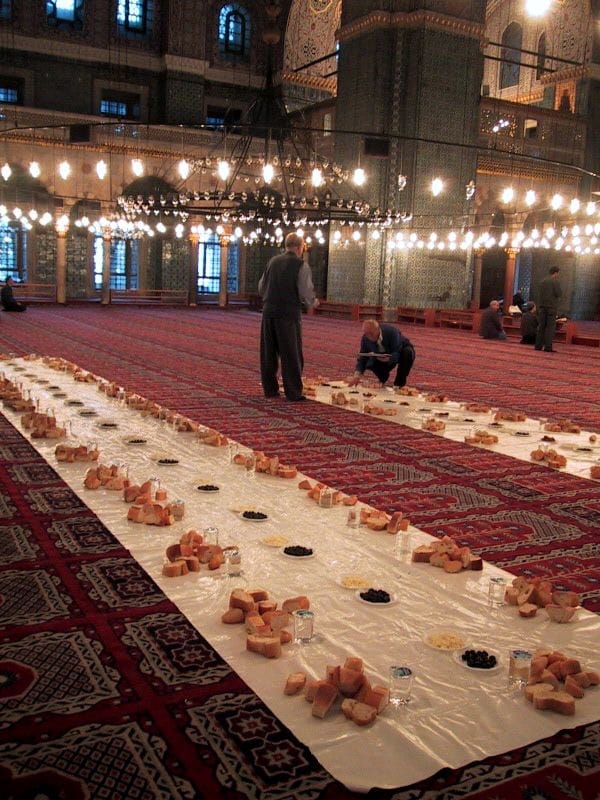
Morocco during Ramadan is either going to be your favorite trip or a bit tricky on logistics, depending on your expectations. Marrakech is touristy enough that you'll find food during the day, especially in the medina and Gueliz. But it's nowhere near as easy as Dubai. You'll need to plan ahead, know which places are open, and be prepared for reduced options.
The atmosphere here leans more pon traditional side. It's less about catering to tourists and more about observing Ramadan properly. You'll feel it in how the city vendors operate; how quiet things are during the day and how energised everything becomes after sunset. If you're comfortable with that and willing to adapt, Marrakech during Ramadan is incredible. If you're expecting a full tourist infrastructure running as normal, you'll be frustrated and it will ruin what otherwise will be an amazing experience.
What not to do: Don't assume everywhere will cater to you. Do your research, book restaurants in advance if you can, and be respectful about eating in public. Also, don't expect alcohol to be easily available. Many places stop serving it entirely during Ramadan.
Kuala Lumpur, Malaysia
KL is diverse, modern, and handles Ramadan with a very relaxed approach compared to some other Muslim-majority cities.
Non-halal restaurants, Chinese and Indian eateries, international chains, they're all open as usual during the day. You won't struggle to find food. Muslim-owned places might be closed during fasting hours, but there's enough variety that it's not an issue.
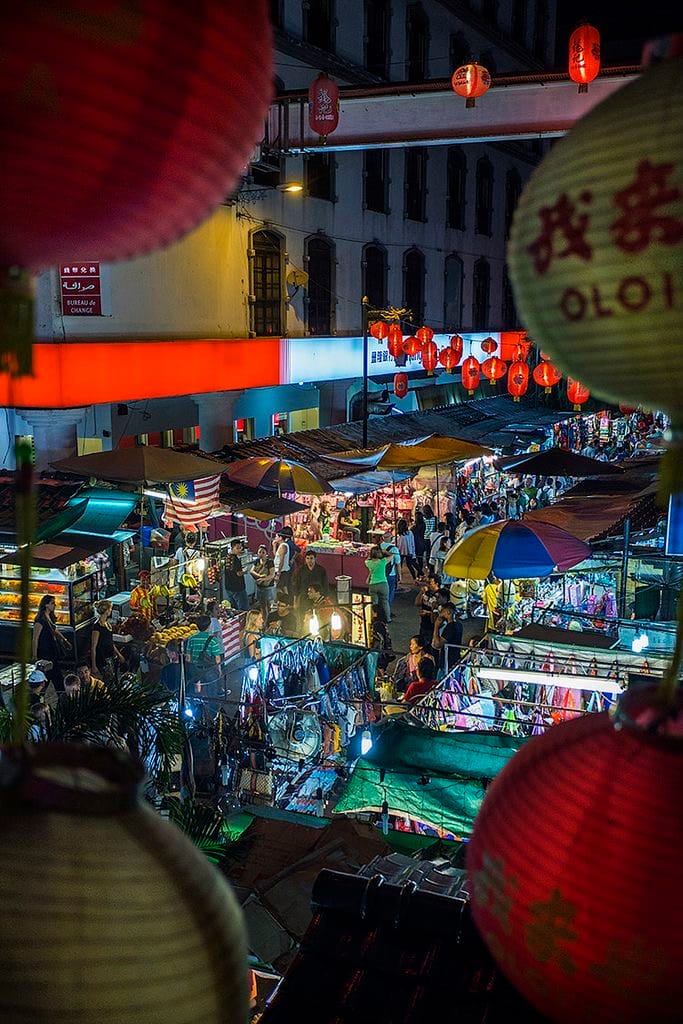
Ramadan bazaars are where it's at. These pop up in the late afternoon and run into the evening, selling street food, desserts, and all kinds of local specialties. Even if you're not fasting, go and experience at least one. The food is incredible and it's a proper cultural experience.
What not to do: Be mindful in Muslim-majority areas. In places like Bukit Bintang or KLCC where it's very international, you'll see people eating and drinking openly during the day and it's fine. In more traditional neighborhoods, keep it respectful.
What to Expect and How to Be Respectful
During daylight hours:
- Don't eat, drink, or smoke in public. Save it for your hotel, designated eating areas, or non-Muslim restaurants that are clearly open.
- Dress modestly. Cover shoulders and knees at minimum. Nothing too tight or revealing.
- Keep public displays of affection to a minimum. Hand-holding is generally fine, full makeout sessions are not.
General etiquette:
- Be patient. Things might move slower, people are fasting and tired from the change in schedule.
- If someone invites you to an Iftar, go. It's a generous offer and a genuine cultural experience.
- Don't ask "aren't you hungry?" or "not even water?" or comment on how hard fasting must be, its against the spirit of the month.
Logistics:
- Book restaurants in advance for Iftar if you can. Places will get packed.
- Expect shorter opening hours for shops and attractions during the day, longer hours in the evening.
- Plan your day around prayer times if you're visiting mosques or religious sites, particularly the Isha prayer (the last prayer of the day) and the Taraweeh prayer that comes after it and is only prayed during Ramadan.
Our Final Say
Travelling during Ramadan isn't something to avoid, it's just something to be aware of. If you're going to a cosmopolitan Muslim-majority city like Dubai, Istanbul, or KL, you'll be fine. Just be open minded, respectful, plan ahead, and embrace the cultural experience.
If you'd rather not deal with it, go somewhere else. There's no wrong answer, just different experiences. Either way, don't cancel your trip just because it falls during Ramadan. You'll be fine. Just don't be the person eating a kebab on the street at 2pm in the middle of Istanbul and wondering why people are giving you looks.