
BEAUTY
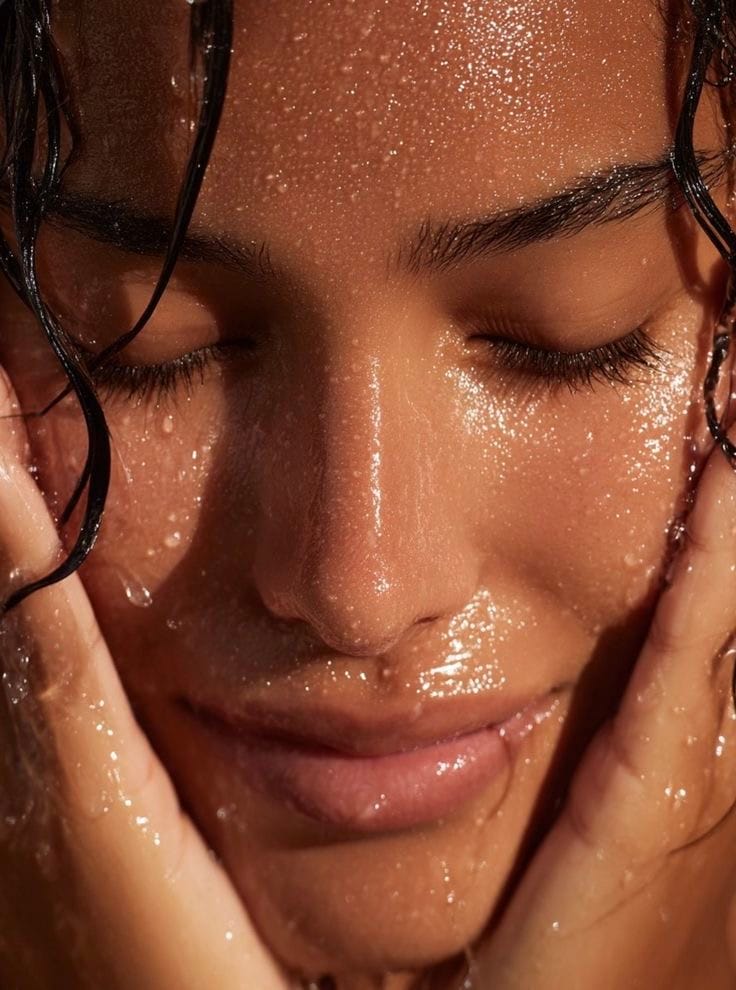
Who doesn't love a TikTok trend, the more unhinged the better. But although skin flooding sounds a bit wild, it actually makes a lot of sense when you break it down. Unlike gimmick trends like skincare fridges or DIY skincare hacks or worse a product launch disguised as advice, skin flooding is a simple technique that genuinely transforms how your skin looks and feels.
We've been doing this for a few months now and the difference is noticeable. So let's break it down properly, what is skin flooding, what the skin flooding benefits are, and exactly how to do it without turning your bathroom into a product graveyard.
So What Is Skin Flooding?
In the simplest terms, skin flooding is layering multiple hydrating products onto damp skin in a specific order to push moisture deeper than your usual routine does.
That's it, no 27 steps, no skin taping wrinkles, no slugging (yuk to all the petroleum jelly) and thank god no skin care as an accessory because lord knows you don't need to leave your house wearing under eye patches. It's just a well designed way to how you apply what you're already (hopefully) using. The "flooding" part refers to saturating your skin with hydration at every stage, from cleanser to final moisturiser, instead of just slapping on a serum and moisturiser and hoping for a glow.
It sounds like more work, but honestly? It takes about the same amount of time as a normal skincare routine. You're just doing it properly.
Why Does Skin Flooding Work?
Most of us apply skincare to dry skin. We wash our face, pat it with a towel until it's completely dry, then layer on products. The problem is, dry skin absorbs products poorly. It's like trying to water a bone-dry plant pot - the water just runs off.
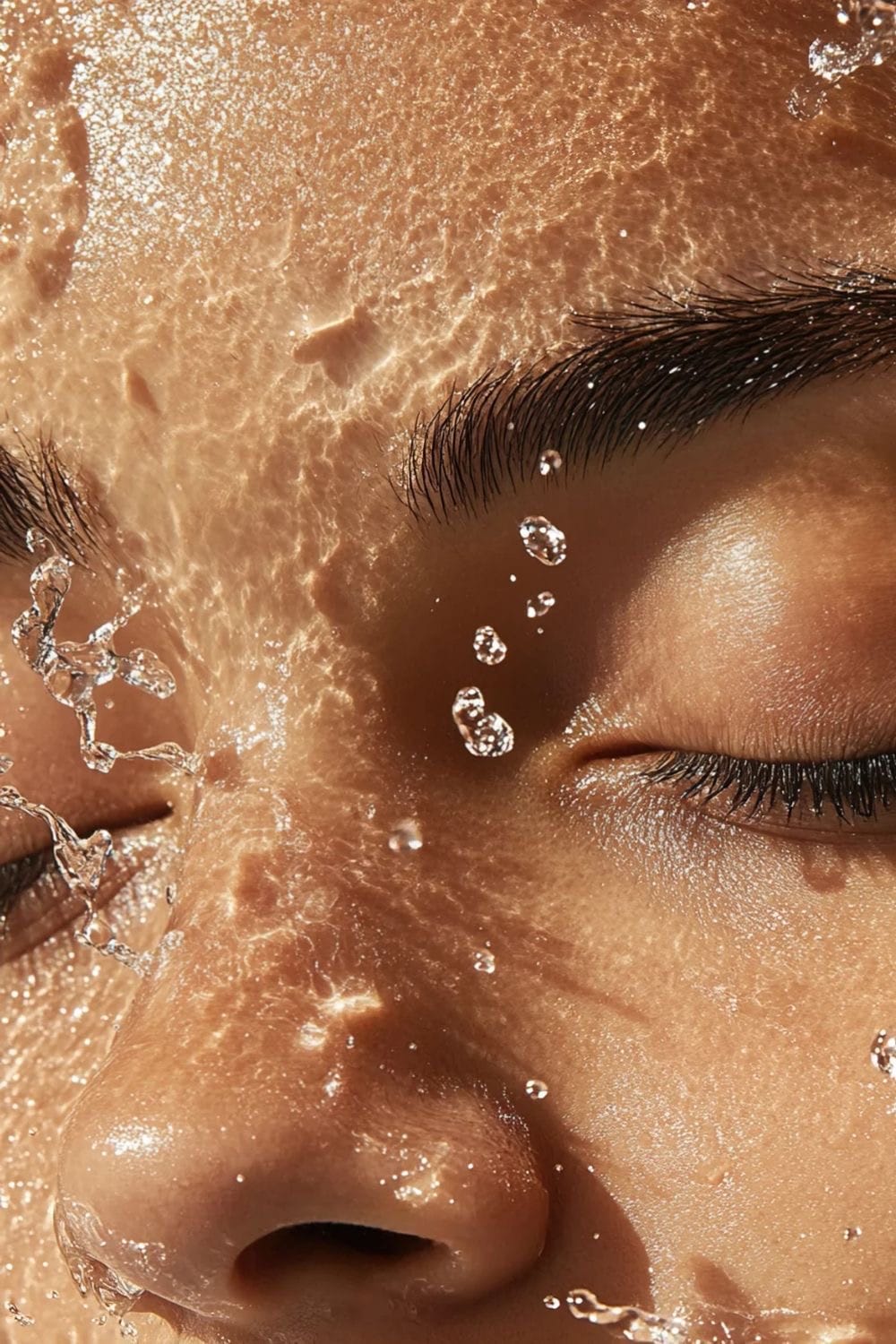
Damp skin is completely different. When your skin is still slightly wet, the moisture barrier is open and receptive. Products, especially hydrating ingredients like hyaluronic acid, can actually penetrate deeper and do their job properly instead of just sitting on the surface to then be wiped off on your clothes or you're pillow.
Hyaluronic acid in particular is a humectant, which means it draws moisture towards it. On damp skin, it has moisture to pull in. On dry skin, it can actually pull moisture OUT of your skin, leaving it even more dehydrated. So the damp skin part isn't optional, it's the whole point.
Who Should Be Doing This?
Everyone. Genuinely.
We know that sounds like a cop-out but skin flooding isn't just for dry skin. Dehydration and dryness are two completely different things. You can have oily skin and still be dehydrated. Combination skin? Dehydrated. Sensitive skin? Almost always dehydrated underneath.
The signs you need this:
- Your skin feels tight after washing
- It looks dull no matter what you put on it
- Fine lines that seem to have appeared from nowhere
- Skin that's irritated or reactive more often than it should be
- That "tired" look that foundation can't fix
If any of these sound familiar, your skin is probably crying out for proper hydration and skin flooding is the most effective way to give it.
The Key Ingredients to Look For
You don't need expensive products for this to work. You need the right ingredients. Here's what works:
Hyaluronic Acid - The star of the show. Pulls moisture into the skin and holds it there. Look for products with multiple molecular weights of hyaluronic acid for deeper penetration.
Glycerin - Another humectant that draws water to the skin. Cheap, effective, found in most drugstore products.
Niacinamide - Strengthens your skin barrier so it can actually retain the moisture you're flooding it with. Without a strong barrier, hydration just escapes.
Squalane - A lightweight oil that locks moisture in without feeling greasy. Perfect as a mid-layer or mixed into your moisturiser.
Ceramides - The building blocks of your skin barrier. Essential for keeping everything sealed in and working properly.
How to Skin Flood
Here's the routine on how to skin flood, step by step.
Step 1: Cleanse on Damp Skin
Start with a gentle, hydrating cleanser. Nothing stripping, nothing that leaves your face feeling squeaky clean because that means it's stripped your natural oils. Massage it in gently and rinse with lukewarm water.
And here's the crucial bit: do NOT pat your face dry with a towel. Leave it damp. If you really can't stand water dripping down your neck, pat it very gently with your fingertips to take off the excess but leave a layer of moisture on your skin.
Step 2: Facial Mist or Toner
While your skin is still damp, spritz a hydrating facial mist or sweep on a toner. This adds another layer of moisture and preps your skin to absorb everything that follows. Look for one with hyaluronic acid or rosewater. This step is what separates skin flooding from a regular routine.
Step 3: First Serum (Hyaluronic Acid)
Apply a few drops of a hyaluronic acid serum while your skin is still damp from the mist. Press it in gently with your fingertips, don't rub. Let it absorb for about 30 seconds.
This is where the magic happens. The hyaluronic acid is drawing moisture into your skin while it's still wet enough to respond. You should feel your skin start to feel plumper almost immediately.
Step 4: Second Serum (Niacinamide)
Layer a niacinamide serum on top. This one strengthens your barrier so all that hydration you just locked in actually stays there. Press in gently and give it a minute to absorb.
If you find two serums feel like too much, you can find a product that combines both hyaluronic acid and niacinamide. Some do it well.
Step 5: Moisturiser
Finish with a good moisturiser that contains ceramides or squalane. This is your seal, the final layer that locks everything in and prevents moisture from escaping overnight or throughout the day.
Don't skip this step. The moisturiser isn't optional in skin flooding, it's what makes the whole technique actually work long-term.
Morning vs Evening: When Should You Flood?
You can do both, but if you're starting out, do it in the evening. At night, your skin is in repair mode and absorbs products more effectively. You'll wake up looking noticeably different.
In the morning, a lighter version works well. Cleanser, mist, hyaluronic acid serum, moisturiser, then SPF on top. Keep it simpler during the day so products layer well under makeup.
Common Mistakes That Ruin It
Drying your face completely before applying products. This defeats the entire purpose. Keep it damp.
Using too many products. Skin flooding doesn't mean throwing everything you own at your face. Stick to the steps above. More layers doesn't always mean more hydration.
Skipping the moisturiser. The seal at the end is non-negotiable. Without it, hydration evaporates and you're back to square one.
Using the wrong products. Anything with AHAs, BHAs, or alcohol will irritate skin that's already being flooded with moisture. Save those for a different night.
Not giving products time to absorb. Rush through this and products will pill and sit on top of your skin instead of sinking in. Take your time between each layer.
The Results
We're not going to promise overnight skin transformation because that's not how skincare works. But within two weeks of consistent skin flooding, most people notice:
- Skin looks visibly more hydrated and plumper
- That dull, tired look starts to fade
- Fine lines soften (hydrated skin literally looks younger)
- Makeup sits better on your face
- Skin feels less reactive and more resilient
This isn't a trend you'll abandon next month. It's a technique that genuinely works, backed by dermatologists, and once you see the difference in your skin, you won't go back to washing your face and patting it dry like it's 2015.