
WELLNESS
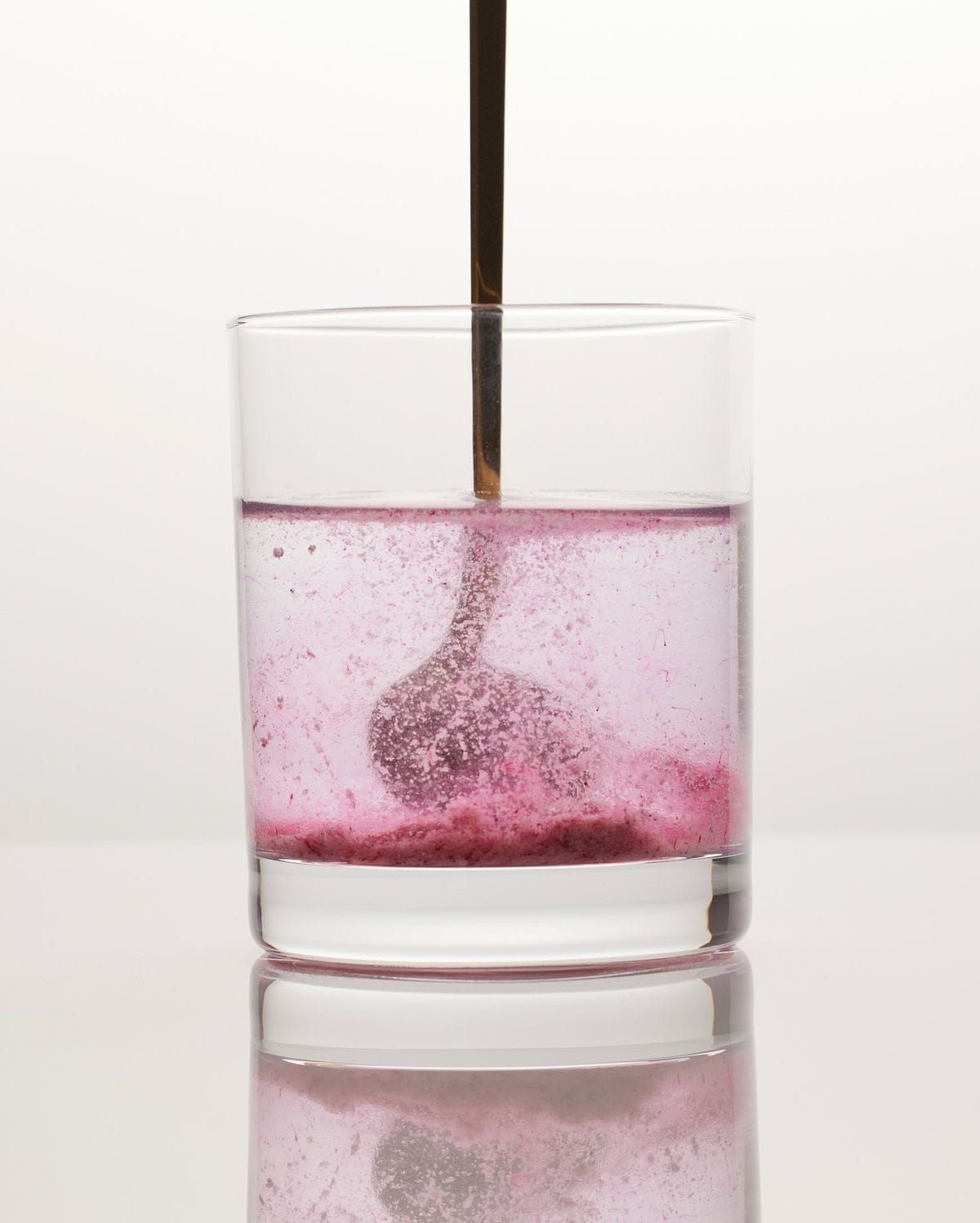
The wellness world seems built on 20 step morning routines and taking so many supplements that influencers must rattle if they jump up and down. Every week there seems to be a new launch of this and another of that, whole drawers filled with individual sachets of gels, powders and tablets, selecting Stanleys and straws from a collection that is probably a month's rent. Over excess is just as present in the wellness space as it is in any other, the only difference is, all of this is marketed as a must have to stop our bodies from just giving up and melting into a pile of goo 🙄.
The supplement industry is worth hundreds of billions globally and a lot of it is marketing dressed up as biology. So we're sharing what we rate and what we hate to waste our money on. Buckle up, this one is a science one.
The Ones We Rate
Unprocessed, Organic Honey
Real, raw, unprocessed honey, ideally local to you, still has its enzymes, pollen and antibacterial properties intact. Pasteurisation strips most of that out for the sake of shelf life and clarity (and putting in a cute bear bottle). Our grandmother used to have it in her tea every day and we swear she never got sick (and lived into her 90s). It's not just folklore either, a Cochrane review of randomised trials found honey outperforms placebo, and does at least as well as over-the-counter cough medicine, at easing nighttime cough and improving sleep in children over one. It goes beyond cough season too: a University of Toronto meta-analysis of clinical trials found raw, single-floral honey lowered fasting blood sugar, total and LDL cholesterol and triglycerides, and raised HDL, surprising, given honey is roughly 80% sugar, but it's the polyphenols doing the work rather than the sugar itself. We're not suggesting it's a longevity hack on its own, but as far as sweeteners go, it's one of the very few that's actively working in your favour rather than just being the least bad option.
High Polyphenol Olive Oil
Regular extra virgin olive oil is good. High polyphenol EVOO is a different tier entirely. The EU only lets a brand claim the "protects blood lipids from oxidative stress" health benefit if the oil contains a minimum concentration of hydroxytyrosol and related compounds, most standard bottles don't come close to this. Studies comparing high versus low polyphenol oils have shown real, measurable improvements in oxidised LDL, HDL cholesterol and inflammatory markers. Zoom out and the longevity numbers are just as striking: a Harvard cohort tracking over 92,000 people for 28 years found that the highest olive oil consumers had a 19% lower risk of dying from any cause than those who rarely touched it, including a 29% lower risk of dying from a neurodegenerative disease like Alzheimer's or Parkinson's. Swap out the butter or mayonnaise for olive oil specifically, rather than just adding it on top, and the mortality drop was even bigger.
It costs more and it also tastes more. A peppery, slightly bitter at the back of the throat. It'll probably make you cough the first time you try it but don't let it put you off. That bitterness is the polyphenols talking. A spoonful in the morning as part of your beverage stack is the way we like to take it.
Magnesium Glycinate, For Sleep
Magnesium oxide is the cheap one and the one that mostly just gives you a reason to be near a bathroom. Glycinate is bonded to glycine, an amino acid with its own calming, sleep-supporting effects, and it's absorbed far better with none of the digestive drama. We take it about 30–45 minutes before bed. It won't knock you out like a sedative, it's more of a nervous system calmer but if you're waking up at 3am for no reason, this is worth trying before you reach for anything stronger.
Vitamin D - Rate It As Sunshine
Best delivered by the actual sun, not a capsule. Ten to twenty minutes of skin exposure, no sunscreen, ideally before 11am or after 3pm depending on where in the world you are, does more for your vitamin D status than most supplements ever will, and it comes with mood, circadian and skin benefits a pill can't replicate. Obviously if you live somewhere with six months of grey skies, or you're covered up, or your bloodwork says you're deficient, supplement. But treat it as the backup plan, not the first move.
Probiotics
The evidence here is strong, provided you're buying something with named, researched strains and a decent CFU count rather than a vague "gut health" blend with no specifics on the label. Antibiotics, travel, stress and a diet low in fibre all take a toll on your microbiome, and a good probiotic can help repopulate what you've lost. Look for strains like Lactobacillus rhamnosus or Bifidobacterium lactis rather than a proprietary blend hiding behind a trademark symbol.
Creatine
Yes, for women too. This one gets filed under "gym bro supplement" but it's one of the most researched compounds in existence, with data now showing real benefits for women specifically, strength, muscle maintenance, bone density and even cognitive function, particularly post-menopause. Women naturally hold lower creatine stores than men, so the case for supplementing is arguably stronger, not weaker. Three to five grams of creatine monohydrate a day. No loading phase required and no, it will not make you bulky.
Ashwagandha
The most studied adaptogen out there, and it mostly holds up. Meta-analyses combining hundreds of participants show real reductions in perceived stress, anxiety scores and serum cortisol against placebo, at doses roughly between 250mg and 600mg a day, taken consistently for six to eight weeks. It's not instant. Take it daily for six to eight weeks before you judge whether it's doing anything. Look for a standardised root extract (KSM-66 and Shoden are the two most researched) rather than a vague proprietary blend.
Electrolyte Sachets
Rate it, with a caveat: you probably don't need one for your Pilates class. The research is pretty consistent that under 60–90 minutes of moderate exercise, water alone covers it, your next meal replaces whatever sodium and potassium you lost. Where electrolytes earn their place is longer or harder efforts: heavy, sustained sweating, heat, altitude, or sessions pushing past that 90-minute mark, where dietary intake alone can't keep pace. It's best kept for long hikes in the sun, hot yoga sessions, hours of BJJ rolling or marathon training.
The Ones We Don't
A Multivitamin
Get your bloodwork done first and see if you are deficient in anything before wapping a fix on something not broken. A multivitamin is a guess dressed up as a solution, a little bit of everything, in doses too low to correct any deficiency, taken by people who have no idea what they're actually deficient in. Large-scale research has repeatedly failed to show a meaningful benefit for otherwise healthy adults taking a general multivitamin. If your iron, B12, vitamin D or magnesium come back low on a blood panel, supplement that specific thing, at a therapeutic dose.
Collagen
The jury really is still out, and it's not cheap. Collagen had its moment, early studies on skin hydration and elasticity looked promising, and the collagen industry ran with it. Then a 2025 meta-analysis in the American Journal of Medicine re-examined the data using only the highest quality trials, and the skin benefits largely disappeared. That doesn't mean it does nothing for everyone, but it does mean the confidence with which it's sold is not matched by the confidence of the science. Bone broth is the more interesting alternative, less concentrated, less standardised, but it comes with actual nutrients alongside the collagen precursors, and you can make it at home for the cost of some bones and time. Simmer, don't buy.
NAD+ / Longevity Supplements
Checked it, and the story is messier than the wellness clinics let on. The actual NAD+ molecule is too large to cross into your cells intact, leading NAD+ researchers, including the Buck Institute's Eric Verdin, have said the molecule mostly just breaks down before it can do anything, whether you take it orally or via an IV drip. What does work, to a degree, are the precursor compounds, NR and NMN, taken orally, daily, which have been shown to raise blood NAD+ levels over weeks. So the popular "you need the drip for it to actually work" idea has it backwards: IV NAD+ has thinner evidence than a daily oral precursor does. Either way, raising blood NAD+ is not the same as proving it does anything meaningful for ageing or longevity in humans, that link is still theoretical. Pay clinic prices for an infusion if you enjoy the ritual, but don't mistake it for a proven longevity hack.
Biotin Hair Gummies
Hate them, and for exactly the reason you'd guess, the concentration. True biotin deficiency, the only scenario where extra biotin actually improves hair, is rare in anyone eating a normal diet. Most gummy brands also dose lower and less consistently than capsules, since gummies need to stay palatable and shelf-stable, which caps how much active ingredient they can carry per piece. Dermatologists are fairly consistent on this: unless bloodwork shows an actual deficiency, biotin gummies do very little beyond the placebo of a nice pink chew and the sugar that comes with it. They can also throw off certain lab tests, which is a genuinely annoying way to complicate an unrelated doctor's visit for zero real benefit. If your hair's thinning, get bloodwork done, iron, thyroid, vitamin D, or see a trichologist (a hair specialist).
Every one of our opinions is subject to change the second better research comes out and that's exactly how it should work. But for now, this is our list. We're saving our money for the olive oil.
This is our take, not medical advice. Talk to your doctor before starting any new supplement, especially if you're pregnant, breastfeeding, on medication, or managing a health condition.