
WELLNESS
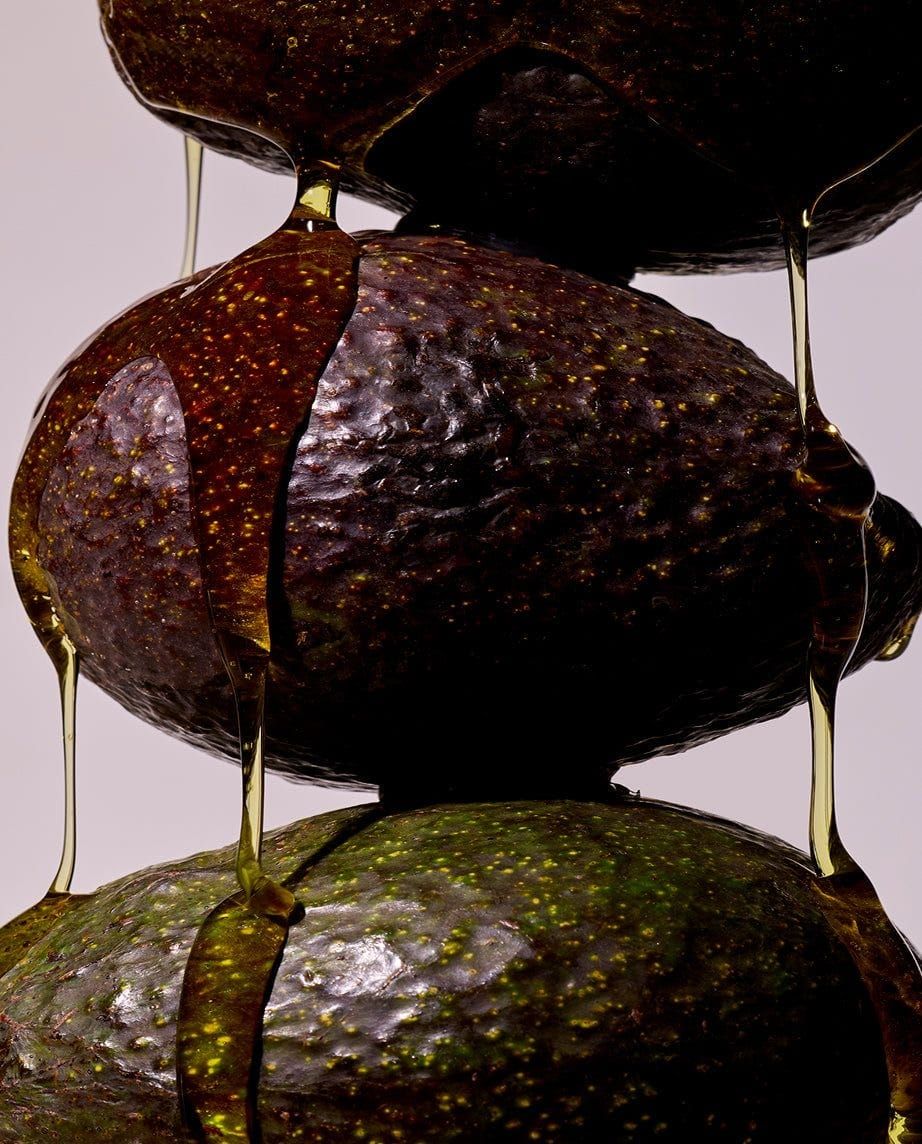
Here's our controversial take on seed oils, and we say controversial because it seems that everyone, literally everyone is saying that seed oils will kill us with one bite. If you've spent any time on wellness TikTok in the last two years you'll know they've been cast as public enemy number one, somewhere between sugar and whatever Robert F Kennedy Jr is currently panicking about. Sunflower oil, canola, safflower, oil that's been used for cooking since we were kids suddenly got rebranded as slow poison, and now there's an entire industry of beef tallow and "seed oil free" labelling built off the back of it. Legit panic or the wellness industry strikes again?
Here's our take, and its research backed before you come for us. ZOE is the biggest gut health study in the world and the team have done a LOT to decode the labels and make it easy for us to take care of our health. So when Sarah Berry, professor of nutritional sciences at King's College London and chief scientist at ZOE, who's spent 25 years researching dietary fats and has run trials specifically on cooking oils and cardiovascular risk factors, says the data doesn't back the panic, we listen. She calls the "seed oils are evil" craze "nutrinonsense," her word for wellness misinformation dressed up as science.
She names four arguments people use against seed oils, then debunks each:
- "Seed oil intake has risen alongside chronic disease, so seed oils must be the cause." She calls this a classic correlation-isn't-causation trap, over the same 50 years, sedentary lifestyles, stress, sleep problems, and ultra-processed food all rose too. Most seed oil intake now comes from cereal-based ultra processed foods (pastries, cakes), it's the ultra-processing doing the damage, not the oil itself.
- "Omega-6 causes inflammation via a bad omega-6:omega-3 ratio." She says this sounds mechanistically plausible in a test tube but doesn't hold up in actual human randomied controlled trials, increasing omega-6 doesn't raise inflammation or clotting markers in people. What matters is getting enough omega-3, not obsessing over the ratio. The most cited study for this is the Sydney Diet Heart Study from the 1960s. Problem is, the seed oil most people were eating back then wasn't the seed oil we eat now, it was largely in margarine, in the form of industrially produced trans fats, which we've known for decades are genuinely bad for you. That study is measuring trans fats, not the sunflower oil in your cupboard today and using a sixty-year-old study to make a point about a product that's changed considerably since is a bit of a stretch.
- "Processing/refining is unnatural and full of nasty chemicals." She walks through the actual process (cold-pressing vs. using heat or hexane solvent, then bleaching/deodorizing) and says the end product is chemically very close to the cold-pressed version, with only a minor loss of phytonutrients like vitamin E and polyphenols. Not the industrial horror show it's made out to be.
- "Heating seed oils causes oxidative damage and toxic compounds." This one has a kernel of truth, which is probably why it's stuck around. Repeatedly heating the same batch of oil to high temperatures, the kind of thing that happens in a restaurant deep fryer running the same oil for days, can produce harmful compounds. But normal home cooking, a pan of oil used once for a stir-fry or roast veg, doesn't get anywhere near that. Berry's actually run a randomised controlled trial on this specifically, and it didn't back up the idea that a standard fat load of fresh seed oil causes the damage people assume.
We'll say this though, because openness in this matters, Berry's research has previously had funding ties to Unilever, who make a lot of money from seed oil-based products, so it's fair to raise an eyebrow at "chief scientist for a company selling supplements says the thing you're scared of is fine." That doesn't mean she's wrong, the wider body of research broadly agrees with her, but it's worth knowing who she is before you take any single source as gospel.
What's actually worth worrying about is the company seed oils keep. They turn up constantly in ultra-processed food, and that's where the real health story is. A tube of stackable potato crisps isn't bad for you because of the sunflower oil in it. It's bad for you because of everything else going on in there, dehydrated potato flakes bulked out with corn and rice flour, maltodextrin, mono- and diglycerides doing the emulsifying, a seasoning dust engineered to make you eat the whole tube before you've noticed. The oil's the least of your problems.