
WELLNESS
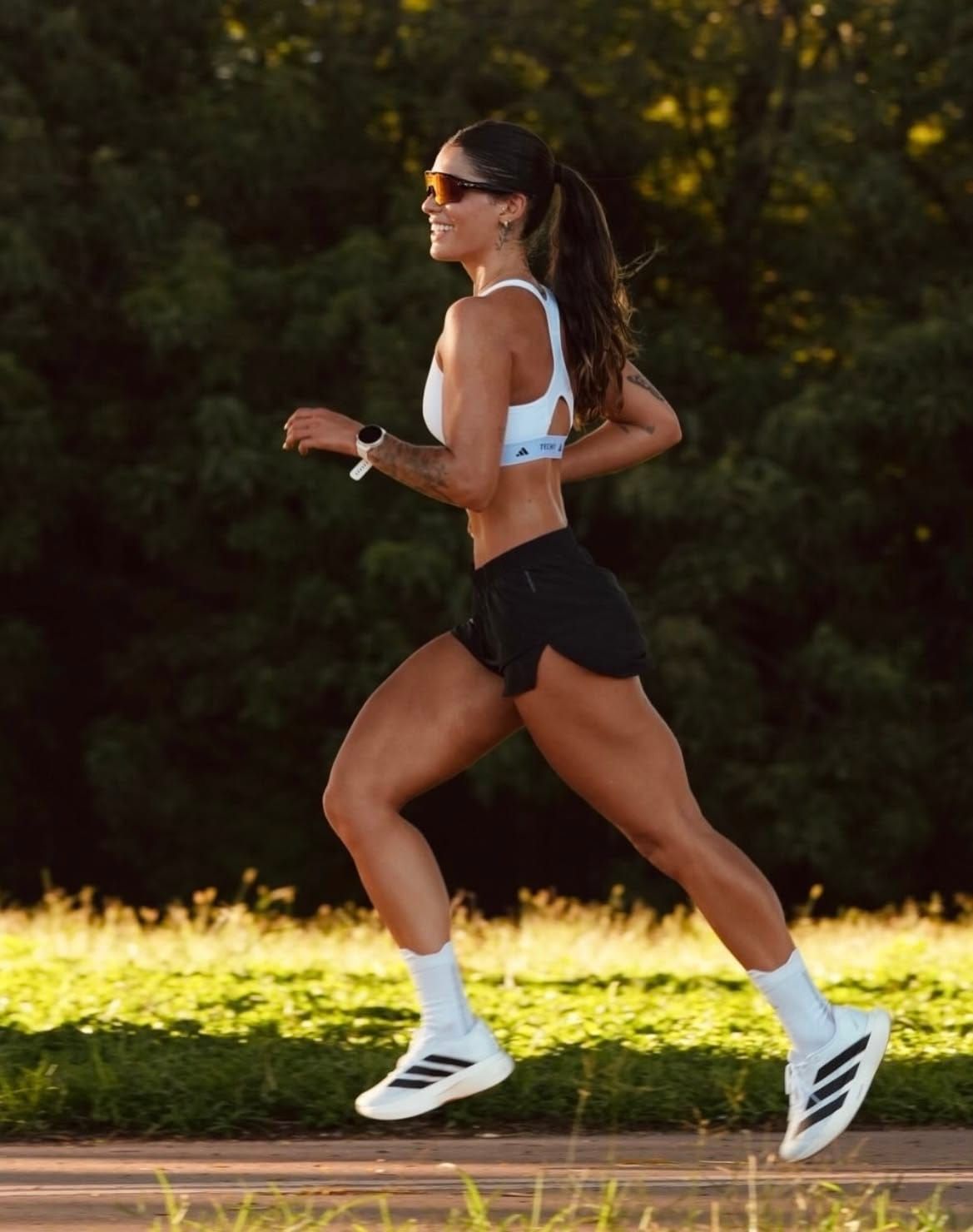
You can't flex it on Instagram, it doesn't appear on your Strava and there's no HIRIAD (how I recover in a day) tags that you can use. But how you recover from your workouts is where the magic happens, you can train hard and eat right but without ample recovery you'll end up over trained and headed for injury.
If you spend any time on TikTok shop (guilty) then you'll know that there's a plethora of recovery tools promising all kinds of recovery. Most is overpriced marketing wrapped in scientific language, promising results you'll never see. But some of it actually works and knowing the difference between gimmick and genuine is what separates people who see progress from people who just feel sore.
The Recovery Foundations
Now we don't want to sound like your mum, buuuuut, if you aren't doing the basics of recovery then all these next tools aren't going to do jack. Basics = sleep + nutrition + appropriate periodisation. Meaning if you are sleeping less than 7 hours per night, under eating, cutting carbs 😭 or eating junk, or switching up your workouts every week then honestly all the fancy tools are not going to save you. Just saying.
Health and Fitness Trackers
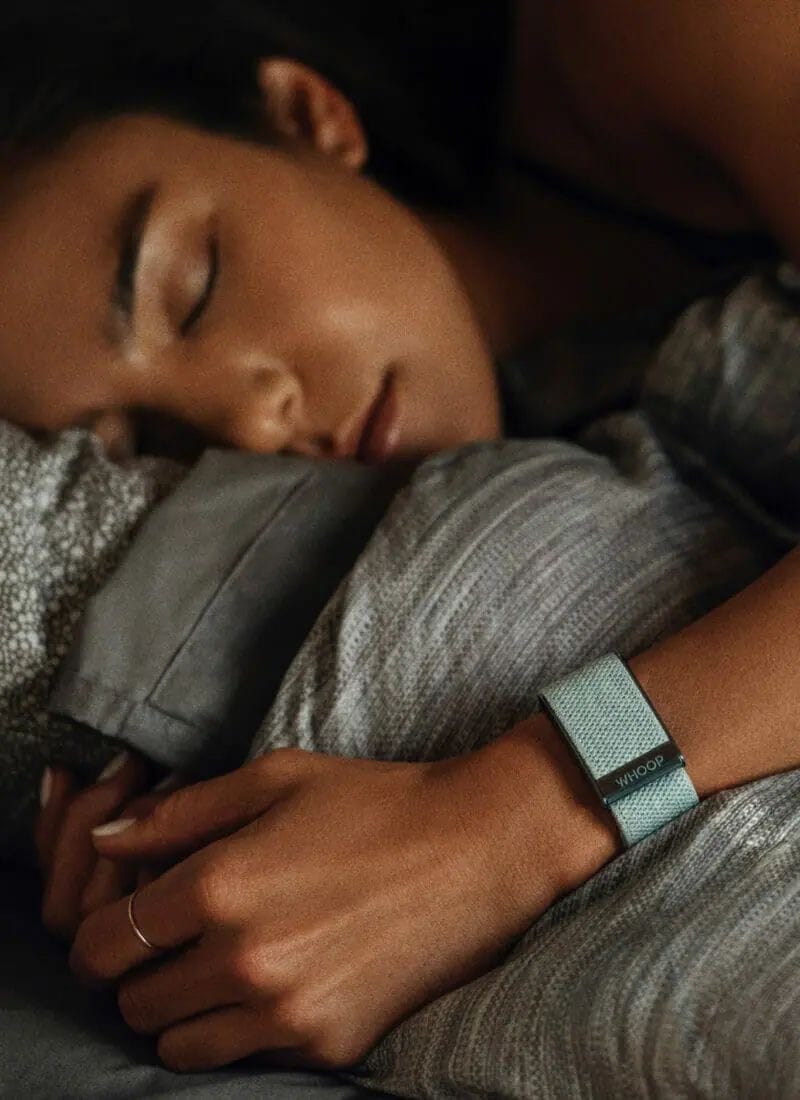
Whoop, Oura, Garmin, Apple Watch, FitBit, trackers are everywhere. From pro athletes to Mum Tribes, everyone is wearing one, so you think why aren't you? In our opinion, trackers are amazing, on one condition - you do what the tracker tells you that you need to do. This means going to bed earlier, not eating late, reducing down your alcohol intake, increasing your strength training or reducing it. If you're going to ignore it and do what you want anyway, it's a waste of time.
The benefit: if you don't know your baselines, these devices give you data. Seeing that you actually get 6.5 hours sleep per night when you think you get 8 is useful. Knowing what affects your heart rate variability (HRV) and see when its high when you're recovered and low when you're not helps you decide whether to push hard or back off.
Worth it if: You're serious about wellness and want objective data to guide intensity, recovery and overall health. Pointless if you ignore it and carry on regardless.
Saunas But Not Steam
There's increasing awareness about the benefits of saunas, from tech entrepreneur and longevity enthusiast Brian Johnson to Dr Jenny Goodman, all the information is pointing to regular sauna use as not just an amazing recovery tool but an overall health tool. Saunas have featured in 'healthy' countries cultures for centuries. In Finland there a more saunas than cars and other sauna aficionados include Russia, Germany, Japan, Morocco and Turkey, with the latter two famous for their Hammams.
Bryan Johnson considers the dry sauna as one of the most effective health and anti-aging protocols he has ever implemented whilst Dr Jenny Goodman uses saunas to reduce heavy metals in patients. For recovery specifically, regular sauna use improves cardiovascular health, reduces inflammation, increases blood flow, opens pores and the stress of heat exposure activates beneficial adaptations. Contrast therapy (hot sauna, cold plunge, repeat) amplifies the benefits by forcing vascular adaptation—blood vessel constriction and dilation improves circulation and recovery.
Worth it if: You don't go in your sweaty workout clothes or worse your shoes (yes we have seen people do this yuk) and consistent use. If you go once a month, you're just paying for a nice experience (which is fine, but not a recovery tool).

Regular Massages
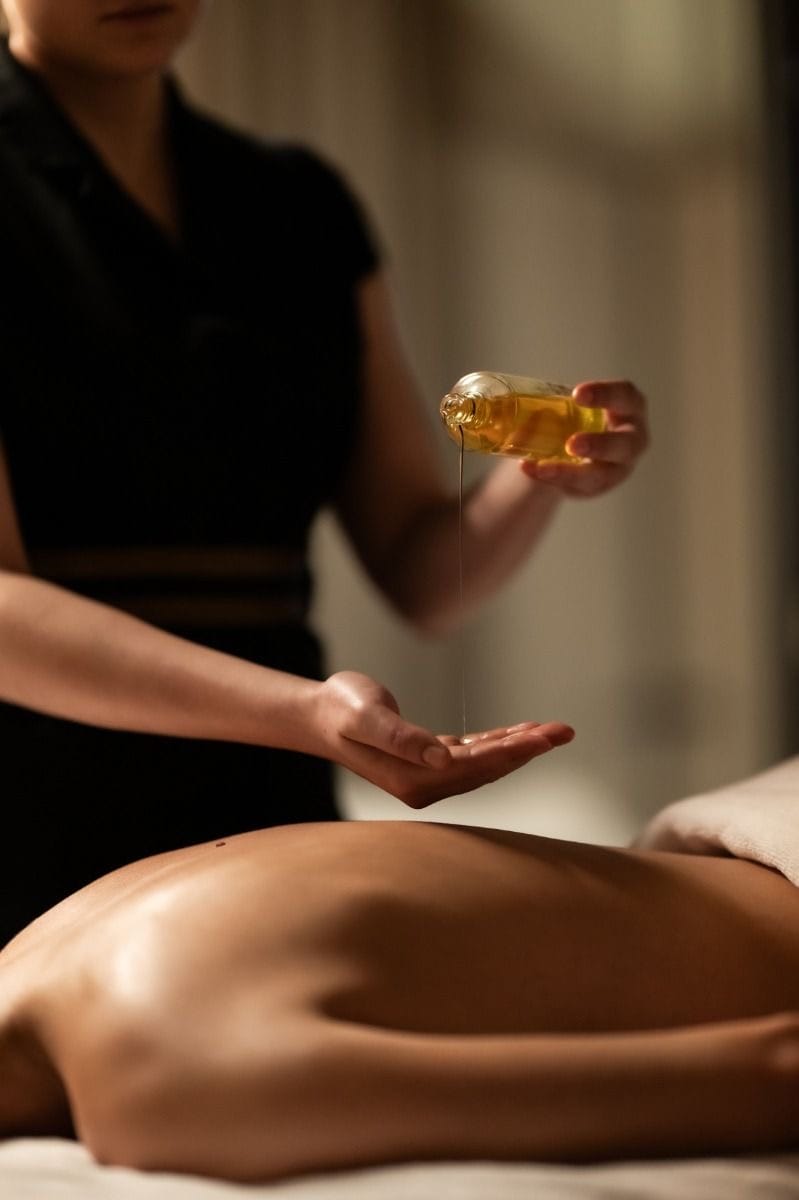
Massages aren't just a relaxation tool, they have a lot of recovery benefits also. There's a reason that you see many top athletes getting massages as a key part of their recovery. From a physical point, massage works by increasing blood circulation to tired and overworked muscles, which speeds up the delivery of oxygen and nutrients while flushing out the metabolic waste that builds up after exercise. It also reduces muscle tension and breaks down adhesions, those tight, knotted areas that form when muscle fibres stick together after repeated use. Over time, this translates to better range of motion, reduced injury risk, and faster bounce-back between workouts.
Beyond the physical, the nervous system benefits are just as significant. Massage activates the parasympathetic nervous system, the branch responsible for rest and repair, which lowers cortisol levels and triggers the release of serotonin and dopamine. This is why you feel so zen after a good massage.
In terms of what to book, deep tissue and sports massage are the most targeted options for muscle recovery, working into the deeper layers of connective tissue where tension tends to hold. Swedish massage is gentler and more focused on circulation and relaxation, making it a good option on lighter training weeks or when your body needs rest rather than intervention. Lymphatic drainage massage, while less intense, supports the body's natural detoxification process and is particularly effective after periods of intense training or illness.
Worth it if: you treat it as a practice rather than an occasional indulgence. The recovery benefits are well-documented and the impact on sleep, stress, and muscle function is noticeable within a few consistent sessions.
Cold Plunges
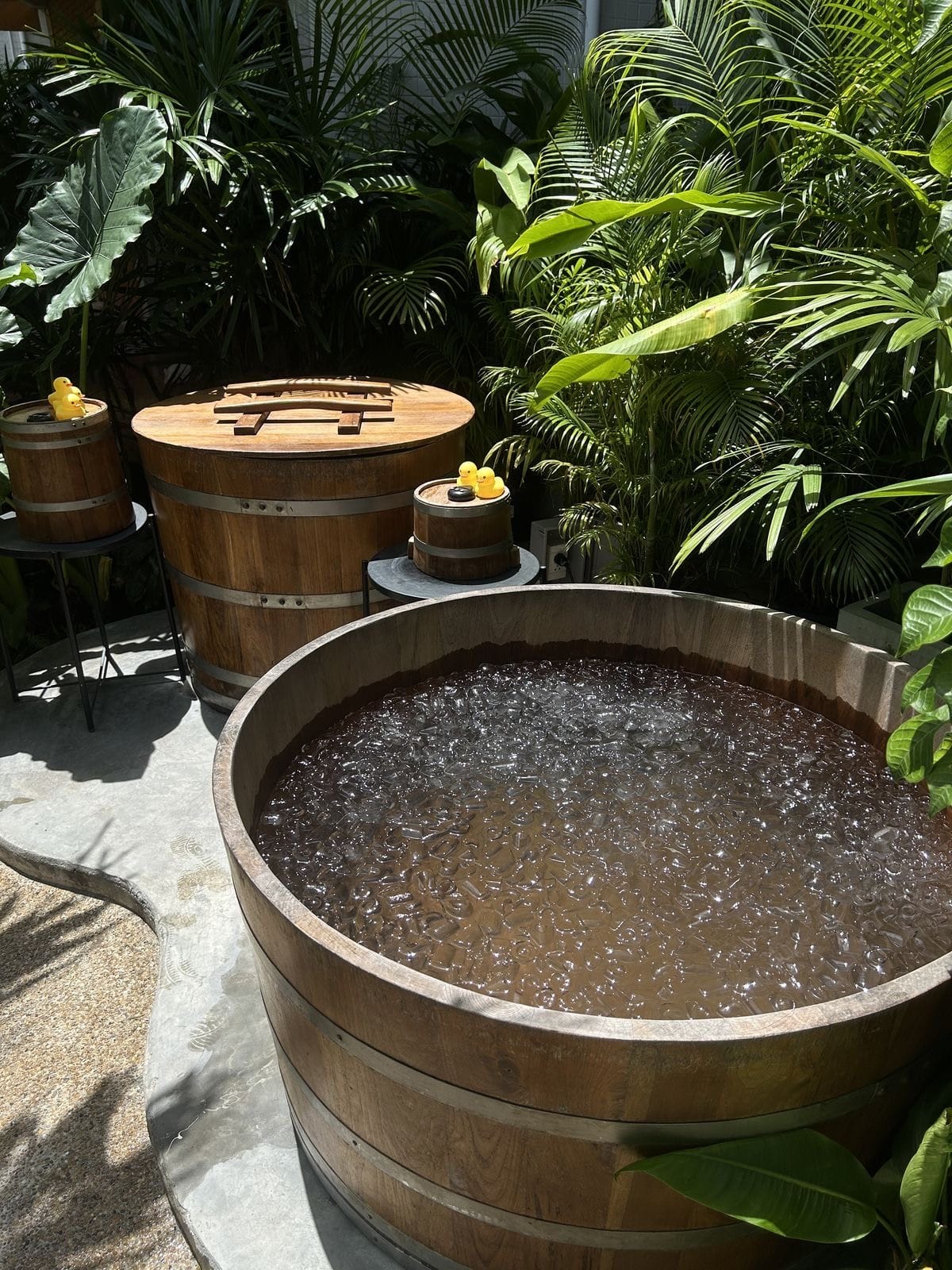
Cold water immersion is trendy, but the science behind it is solid. Cold water reduces inflammation, accelerates muscle recovery, and improves the parasympathetic nervous system response (which is the "rest and digest" part of your nervous system). Most people try it once, hate it and never go back. If you're serious about recovery, a cold plunge or ice bath at 10-15°C for 3-5 minutes post-workout delivers measurable results, faster recovery, less soreness, improved immune function with consistent use.
One point to note though - if your goal is to build muscle size (hypertrophy) or strength, you should avoid a cold plunge immediately after strength training. Doing so can hinder your progress by reducing the natural inflammation your body uses to repair and grow muscle fibers.
Worth it if: you can get past the first thirty seconds because that's the hardest part.
The Best Recovery Tool You're Not Using
Nobody wants to hear this one. It's free, requires zero equipment and most people avoid it. Rest days.
Your body makes its gains during rest, not during training. Training breaks your body down and rest days are where it rebuilds. Without enough rest, no amount of massages or ice baths will save you because you're simply not giving your body the time it needs to execute muscle repair, energy replenishment, nervous system reset and hormone regulation.
One full rest day per week is the minimum but two is better. And a deload week every four to six weeks. This is where you drop your training volume by around 40-50% and is one thing most recreational athletes never do.
Rest days costs nothing and works better than any recovery tool.