
WELLNESS
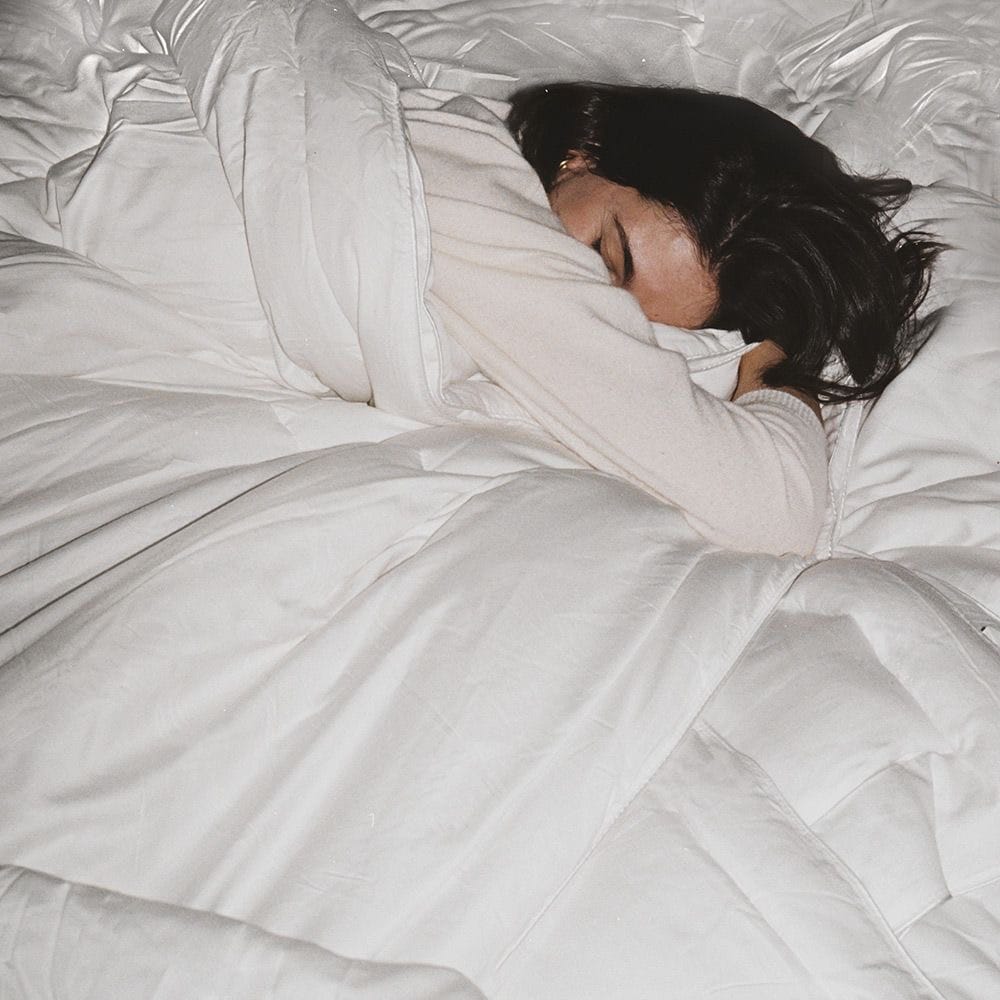
We're all tired. Life is heavy, work is a lot, and trying to fit in healthy eating, gym, life tasks and seeing our friends has resulted in the kind of exhausted that sleep isn't fixing. We're waking up groggy, struggling through the afternoon, and relying on caffeine to function. And if you're like us then you've probably tried a few things - downloaded a sleep app, bought new pillows, taken melatonin - but nothing's really fixed it for the long term, more just put a plaster over the issue.
Here's the thing about sleep though, the basics actually work better than an expensive supplement, fancy mattress, or sleep tracking device. Most people aren't sleeping well because they're ignoring the fundamentals, not because they need a $2,000 mattress or a white noise machine.
Good sleep comes down to your sleep environment, your habits throughout the day, and what you do in the hours before bed. Fix these and you'll sleep better. Ignore them and no amount of expensive purchases will help.
Here's what we're going to implement that works to sleep better naturally, just in time for the weekend.
Your Sleep Environment
Make It Dark
Our rooms needs to be properly dark. Light suppresses melatonin production and signals to our brains that it's still daytime, so even small amounts of light mess with sleep quality.
Get blackout curtains or blinds. If you can't install those, get a decent eye mask. Your phone shouldn't be lighting up the room, your alarm clock shouldn't glow like a 2005 rave and street lights shouldn't be streaming through your windows.
If you need to get up in the night, use a dim red light torch or nightlight. Red light doesn't disrupt melatonin the way blue or white light does.

Keep It Cool
Our core body temperature needs to drop to fall asleep and stay asleep. If the room is too warm, it's a struggle to get deep sleep even if you manage to drift off.
Experts say that the ideal temperature is 16-19 degrees Celsius. Yes, that feels ice but they do they you can snuggle into a huge duvet so thats a win. Layer your bedding so you can adjust - a sheet, a light blanket, a duvet. You want to feel cool when you get into bed but not freezing. We actually prefer around 23 degrees C though so you do you on this one.
Make It Quiet
Noise disrupts sleep even if you don't fully wake up. Traffic, neighbors, your partner snoring, random house creaks - all of it affects sleep quality.
Earplugs work. The foam ones from any pharmacy cost about $3 and block most noise. If earplugs bother you, try a white noise machine or app. Consistent background noise masks sudden sounds that would otherwise wake you.
Get Your Bed Right
You don't need an expensive mattress but you do need one that's not actively terrible. If your mattress is sagging, lumpy, or old enough that you wake up aching, replace it. You can get a decent mattress for $300-500.
Same with pillows. If yours are flat, lumpy, or giving you neck pain, get new ones. You want support without your head being propped up at a weird angle or feeling like you're in a hospital bed. Most people need 1-2 pillows max.
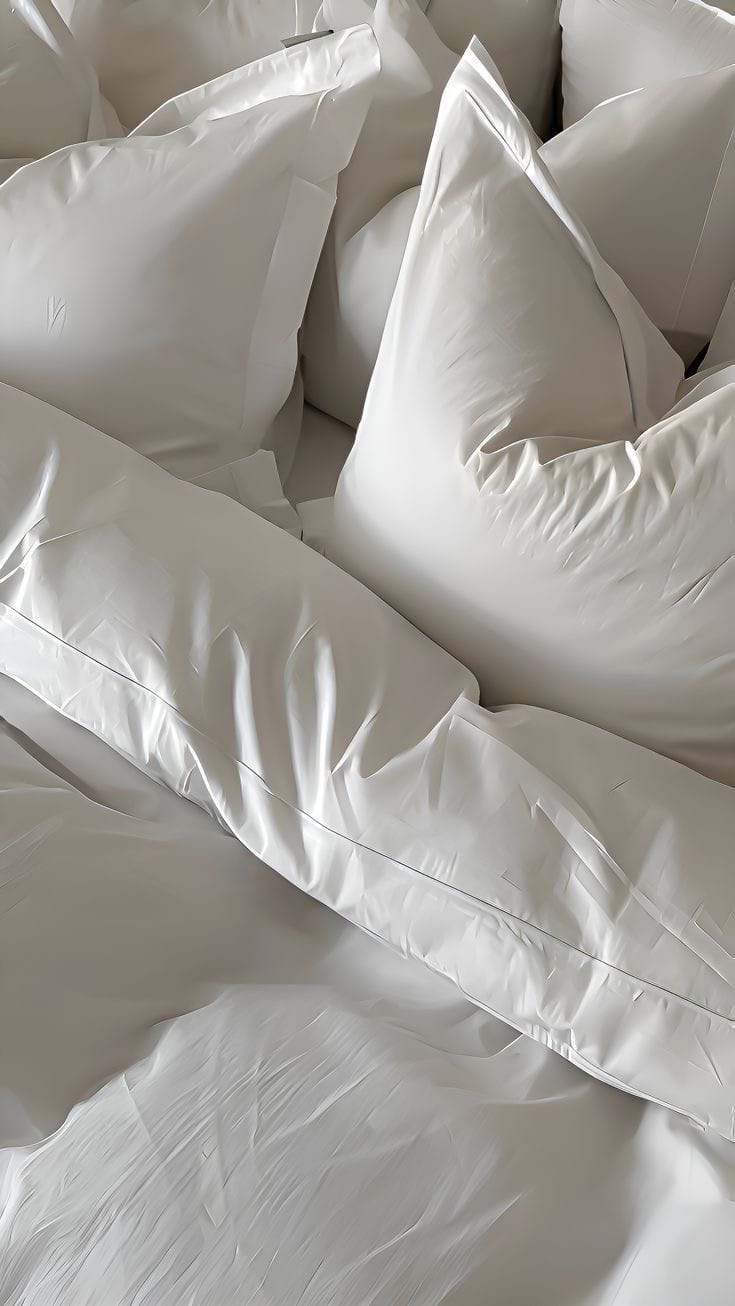
Your bedding should be breathable. Cotton, bamboo or linen sheets, not synthetic materials that trap heat and make you sweaty. You don't need expensive thread counts, just natural fibers.
What You Do During the Day
Get Light in Your Eyes First Thing
Get bright light exposure within 30 minutes of waking up. Ideally natural sunlight for 10-15 minutes, but even just standing by a window works if you can't get outside but it is less impactful so you'll need a longer time.
Morning light exposure regulates your circadian rhythm by signaling to your body that it's daytime. It triggers cortisol production (which you want in the morning to wake you up) and sets a timer for melatonin production later in the evening (which you want for sleep).
If you're getting up when it's still dark or you work in a windowless space, consider a bright light therapy lamp (10,000 lux). Use it for 10-20 minutes in the morning while you have breakfast or get ready. It's not expensive - decent ones are around $30-50 and they make a real difference, especially in winter.
Don't wear sunglasses during your morning light exposure or actually even before 10am if you can. You need the light to actually hit your eyes for it to work. Obviously don't stare at the sun, but natural outdoor light on your face and in your field of vision is what you're after.
This single habit - bright light first thing in the morning - has one of the biggest impacts on sleep quality at night. Your body works on a 24-hour cycle and light is the primary signal that resets it daily.
Move Your Body
Exercise improves sleep quality massively. It doesn't need to be intense - even just walking daily makes a difference. But if you're completely sedentary, your body isn't tired enough to sleep deeply.
Timing matters though. Exercising too close to bedtime (within 2-3 hours) can make it harder to fall asleep because your body temperature and heart rate are still elevated. Morning or afternoon workouts are better for sleep if you can. If you can only exercise in the evening, that's still better than not exercising at all. Just give yourself time to wind down after.
Watch Your Caffeine
Caffeine has a half-life of about 5-6 hours, which means half of it is still in your system that long after you drink it. If you're having coffee at 4pm, you're still carrying caffeine into the evening.
Cut off caffeine by early afternoon. If you're very sensitive to it, make it even earlier. And remember caffeine is in tea, energy drinks, some soft drinks, and chocolate. It all adds up.
If you're someone who can drink coffee at 8pm and still sleep, great. But if you're struggling with sleep, caffeine after lunch is probably not helping.
Manage Stress
Chronic stress absolutely destroys sleep. If you're lying in bed with your mind racing about work, money, relationships, whatever - you're not going to sleep well no matter how perfect your sleep environment is.
You need a way to process stress before bed. That might be journaling, talking to someone, therapy, meditation, exercise, whatever works for you. But you can't just carry stress into bed and expect your brain to switch off.
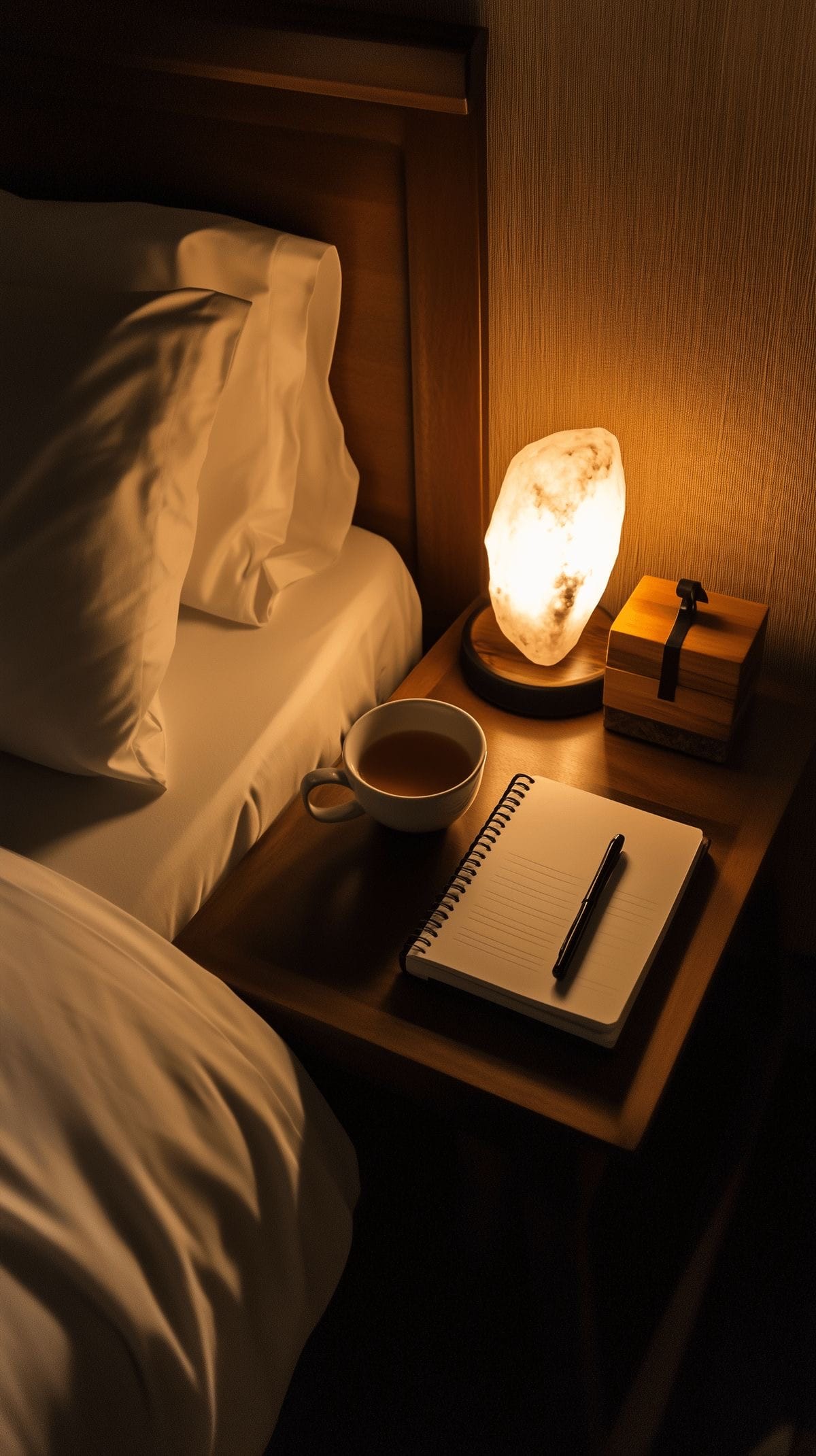
If you're waking up at 3am with anxiety, keep a notepad by your bed. Write down whatever you're worried about and tell yourself you'll deal with it tomorrow. It sounds simple but it works - getting it out of your head and onto paper lets you let go of it temporarily.

Eat Smart
Going to bed starving or absolutely stuffed both mess with sleep. A huge heavy meal right before bed means your body is working hard to digest instead of winding down. But being properly hungry keeps you awake too.
If you need to eat close to bedtime, keep it light. A small snack with protein and carbs - banana with nut butter, yogurt with granola, toast with cheese. Something that'll tide you over without sitting heavy.
Alcohol might make you fall asleep faster but it wrecks your sleep quality. You'll wake up more, get less deep sleep, and feel worse the next day. If you're drinking regularly and sleeping badly, there's your problem.
Your Evening Routine
Wind Down Properly
Your brain doesn't switch from fully awake to asleep in five minutes. You need transition time. Start winding down at least an hour before you want to be asleep.
Dim the lights in your home to around 50–150 lux (you can get an app to check the lux levels in your house). Bright overhead lights signal daytime to your brain as well as just being hideous in the evening. Use lamps, candles, softer lighting. It cues your body that it's evening and time to start producing melatonin.
Do something relaxing, read, stretch, have a bath, listen to calm music. Not work, not stressful conversations, not doom scrolling or watching intense TV shows. Your brain needs to decompress.
Sort Your Screen Time
Screens before bed mess with your sleep, but it's not really about blue light like everyone claims. It's about stimulation. Scrolling social media, watching intense shows, reading work emails, getting into arguments online - all of that keeps your brain alert and engaged when you're supposed to be winding down.
Ideally, stop screens an hour before bed. If that's completely unrealistic, at least be smart about what you're doing on them. Watching something calm is better than doom scrolling. Reading an ebook is better than checking work emails. But nothing is better than putting the screens away entirely.
Your phone shouldn't be in your bedroom at all if you can help it. Use an actual alarm clock. If you must have your phone in the room, put it across the room so you can't reach for it from bed and so you have to actually get up to turn off your alarm.
Keep a Consistent Schedule
Go to bed and wake up at roughly the same time every day, even weekends. Your body runs on a circadian rhythm and consistency is what it needs to regulate it.
If you're going to bed at midnight one night and 2am the next, sleeping until noon on weekends, your sleep schedule is chaos and your body doesn't know what's happening. Studies show that it's equally as important for sleep health as the number of hours spent asleep.
Pick a bedtime and wake time that works for your life and stick to it. Give it a few weeks and your body will adjust, even though it might feel terrible at first - you'll start getting tired at the right time and waking up more naturally.
What to Do If You Can't Sleep
Don't Just Lie There
If you've been in bed for 40-50 minutes and you're not asleep, get up. Lying there stressing about not sleeping makes it worse. Don't check the time obsessively. It just creates more anxiety. If you can't sleep, you can't sleep. Stressing about it doesn't help.
Go to another room, do something boring and low-stimulation - read something dull, do a puzzle, fold laundry. Keep the lights dim. When you start feeling tired, go back to bed.
Stop Napping
If you're struggling with nighttime sleep, daytime naps might be making it worse. You're using up sleep pressure during the day, so you're not tired enough at night.
If you must nap, keep it short - 20-30 minutes max - and before 3pm. Any longer or later and you're sabotaging your night sleep.
Consider Supplements
Magnesium helps some people sleep better. It's involved in relaxation and sleep regulation. Glycinate or threonate forms are best. Take 200-400mg about an hour before bed.
Melatonin can help reset your sleep schedule if it's completely off, but it's not a long-term solution and it doesn't work for everyone. Start with a low dose (0.5-1mg) and only use it short-term.
Don't rely on sleep supplements to fix bad sleep habits. They're a tool, not a solution.
Our Deep Sleep Thoughts
Sleep doesn't exist in isolation. If you're chronically stressed, eating terribly, not moving your body, drinking too much, and working yourself into the ground, no tips will improve sleep quality.
You need enough daylight exposure during the day - it helps regulate your circadian rhythm. Get outside in the morning if you can, or at least sit near a window.
You need to manage stress properly, not just try to sleep through it.
You need regular movement and exercise.
You need to eat food that supports your body, not just sugar and processed rubbish.
Sleep is downstream of how you live the rest of your life. Fix the fundamentals and sleep improves. Ignore them and you'll keep struggling no matter how perfect your bedroom setup is.