
LIFESTYLE

We're coming to the end of Q1 (sorry for the corporate speak there) but this means that 1/4 of the year is done. If you're anything like us you entered 2026 with big goals, big spreadsheets and a lot of energy, but how are you faring now we're three months in? Have you still got the same discipline and drive or is life lifing? So it's time to see which habits are thriving, which are limping along out of guilt, and which died a quiet death in mid-February and should stay there.
This is a chance for reality check. A chance to be honest about what is working for us and taking us closer to our goals and what is really a waste of our time. We're not dragging habits into Q2 that aren't serving just because we said we'd do them three months ago. A habit audit is like anything else worth doing, figure out what's worth keeping, ditch what's not working, and identify what you actually need to start.
Here's how we're doing it.
What to Keep: The Habits That Are Actually Working
They're happening consistently without a dread
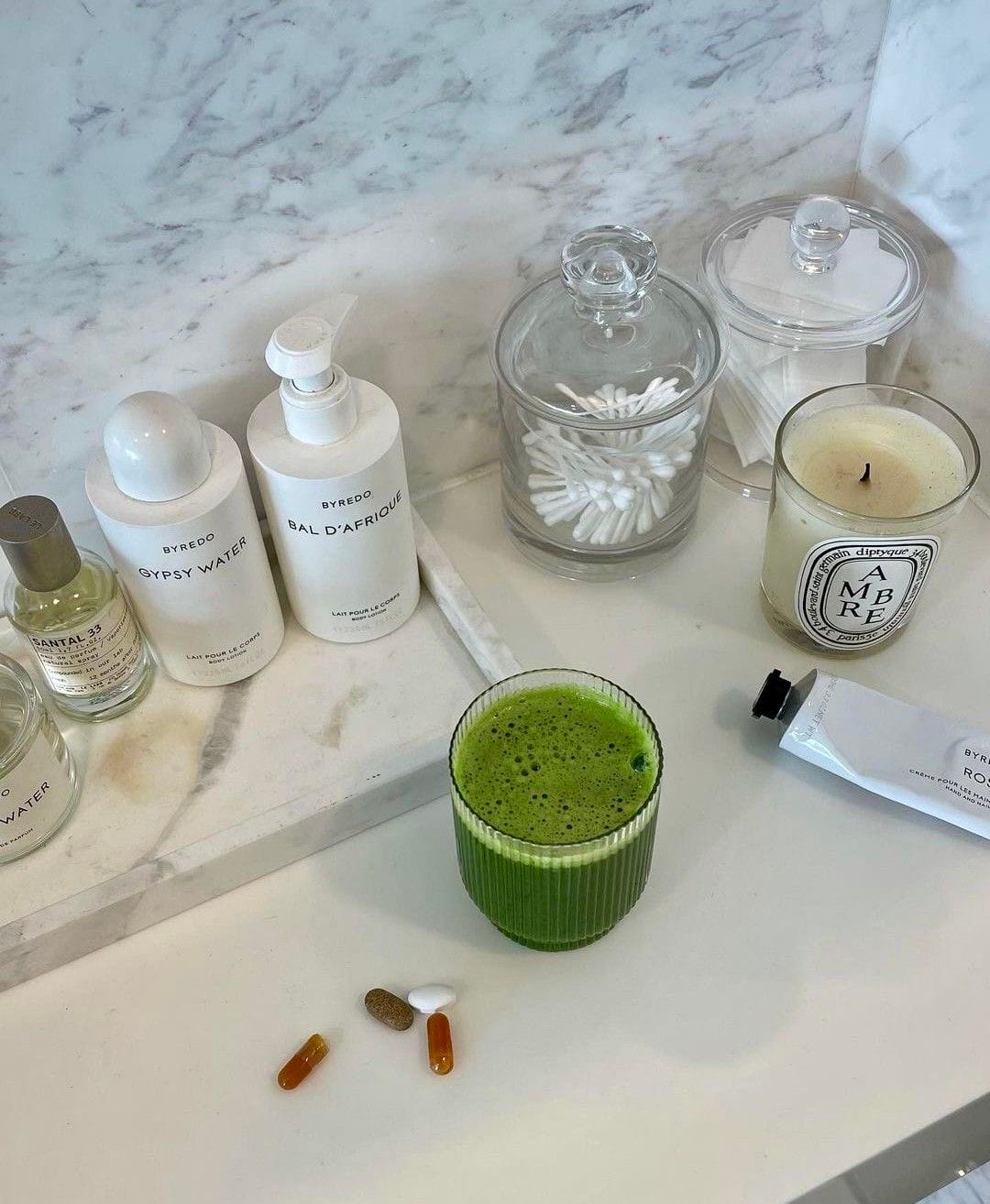
If a habit has stuck for the past few months, its working for your goals and you're doing it without having to force yourself every single time then keep it, you're onto a winner. It could be your morning beverage stack, dry brushing everyday, going to the gym four times a week, reading a chapter before bed, or making 90% of your meals at home. If it's happening easily, it's enjoyable and its making your life better, then don't overthink it or be tempted to fiddle with it, just keep going.
They're giving you visible results
Habits worth keeping are the ones where you can actually see the benefit. Because when you can see the results then you are more likely to stick at it. Better sleep, more energy, clearer skin, less stress, improved fitness, whatever the goal was.
If you started doing something in January and you can see the improvements already or feel better for it, that's a keeper. It doesn't need to be life changing results just yet, small, measurable improvements are enough because they will continue and turn into those life changing ones.
They don't feel like punishment
If the habits you want to keep feel like an absolute dread before each time that you do it then chances are it's not sustainable for the long term. If you're studying for an exam or losing weight then sometimes you have to grin and bare it as it's not forever. But if you're forcing yourself to eat food you hate, find something else. If you're forcing yourself to learn a skill that you hate, find another one. You get us?
Habits that are worth keeping are the ones that feel enjoyable, relatively easy, or at the very minimum, worth the effort. You might not love every gym session, but if you feel good after and it's not torture getting yourself there, keep it.
They fit into your actual life
Habits that work are the ones that slot into your actual life, not the fantasy version where you have unlimited time and energy. If you've managed to maintain a habit for three months despite work, social life, life tasks and everything else going on - it fits. That's a sign it's realistic and sustainable long-term.
What to Drop: The Habits That Aren't Serving You
You're only doing it because you "should"
If the only reason you're still doing something is guilt or because you think you're supposed to, drop it. Should-based habits don't last and they make you miserable.
Maybe it's a morning routine you saw on TikTok that doesn't actually fit your life. Maybe it's a supplement stack you're taking because everyone says you should but you've seen zero difference. Maybe it's journaling every day when you genuinely hate it.
If it's not making your life better and you're only doing it out of obligation, stop.

It's inconsistent and always has been
If you've been trying to make a habit stick for three months and it's still a struggle, it's not going to suddenly get easier. You've given it a fair shot. It's not working.
Some habits just don't fit some people. That's fine. You're not failing, the habit just isn't right for you. Drop it and try something else.
It's making you stressed or anxious
Habits are supposed to improve your life, not add more pressure. If something you started doing is now a source of stress - tracking every calorie to the point of obsession, overcommitting to workouts and feeling guilty when you miss one, a morning routine so elaborate it makes you anxious if you don't have time for all of it - drop it.
The second a habit becomes a stick to beat yourself with, it's not helping anymore.
The results aren't there
If you've been consistent with something for three months and you're seeing absolutely no benefit, why are you still doing it?
Maybe it's a skincare product that's done nothing. Maybe it's a productivity system that hasn't made you more productive. Maybe it's waking up at 5am when you're just tired all day and no more accomplished than before.
Give things a fair chance, but if the results aren't coming, stop wasting your time.

What to Start: The Habits You Actually Need
Look at what's not working in your life right now
Don't start habits based on what wellness influencers are doing. Start them based on what would actually improve YOUR life.
If you're exhausted all the time, maybe you need a better sleep routine. If you're stressed, maybe you need a way to decompress that isn't scrolling for hours. If you're feeling disconnected, maybe you need to actually see your friends regularly instead of just send them reels. Identify the problem first, then find a habit that addresses it.
Start small and specific
"Exercise more" isn't a habit, it's a vague intention that has very low chance of being successful. Putting "The gym Monday, Wednesday, Friday at 7am" blocked in your calendar is a habit. "Eat healthier" is questionable about what that really means. "Eat whole foods 90% of the time" is specific, andactionable.
The more specific your habit, the more likely you are to actually stick to it. Vague goals lead to vague effort and zero results.
Pick one thing at a time
Don't overhaul your entire life in one go, its a recipe for potential failure. Pick one new habit to add every quarter. Get that consistent, then build on that. Trying to start five new habits at once is why most people fail. You run out of willpower, get overwhelmed and then end up doing none of them. One habit, make it stick, then add.
Make it ridiculously easy to start
The easier a habit is to begin, the more likely you are to actually do it. Remove friction wherever possible.
Want to work out in the morning? Lay out your gym clothes the night before. Want to read more? Keep a book on your bedside table. Want to drink more water? Fill a bottle and put it somewhere you'll see it.
The less effort it takes to start, the less willpower you need, and the more consistent you'll be.

How to Do the Audit
Step 1: List everything you're doing
Write down all the habits you've been attempting since January. Morning routine things, evening routine things, fitness, food, productivity, whatever. Get it all on paper.
Step 2: Honestly assess each one
For each habit, ask:
- Am I doing this consistently?
- Is it making my life better in a measurable way?
- Does it feel sustainable long-term?
- Am I only doing it because I "should"?
Be honest. This isn't about what sounds good on paper, it's about what's actually working in your real life.
Step 3: Keep, drop, or adjust
Keep: Habits that are working and sustainable Drop: Habits that aren't serving you or causing stress Adjust: Habits that have potential but need tweaking (maybe you need to do them less frequently, or at a different time of day, or in a different way)
Step 4: Identify one thing to start
Based on what's not working in your life right now, pick ONE new habit to add. Make it specific, make it easy to start, and commit to it for the next month.
Step 5: Review again in a month
Habits aren't set in stone. Check in regularly, see what's working, drop what isn't, adjust as needed. Your life changes, your habits should too.
The Reality Check
You don't need 47 different habits to have your life together. You need a few solid ones that you actually do consistently and that make a real difference.
Quality over quantity. Consistency over perfection. Realistic over aspirational.
If you're heading into the last month of Q1 with three habits that are genuinely working for you, you're doing better than someone with a list of 20 habits they're white-knuckling through out of guilt.
Audit honestly. Keep what works. Drop what doesn't. Start what you actually need. That's how you finish Q1 strong and head into Q2 with habits that actually serve you instead of drain you.