
BEAUTY
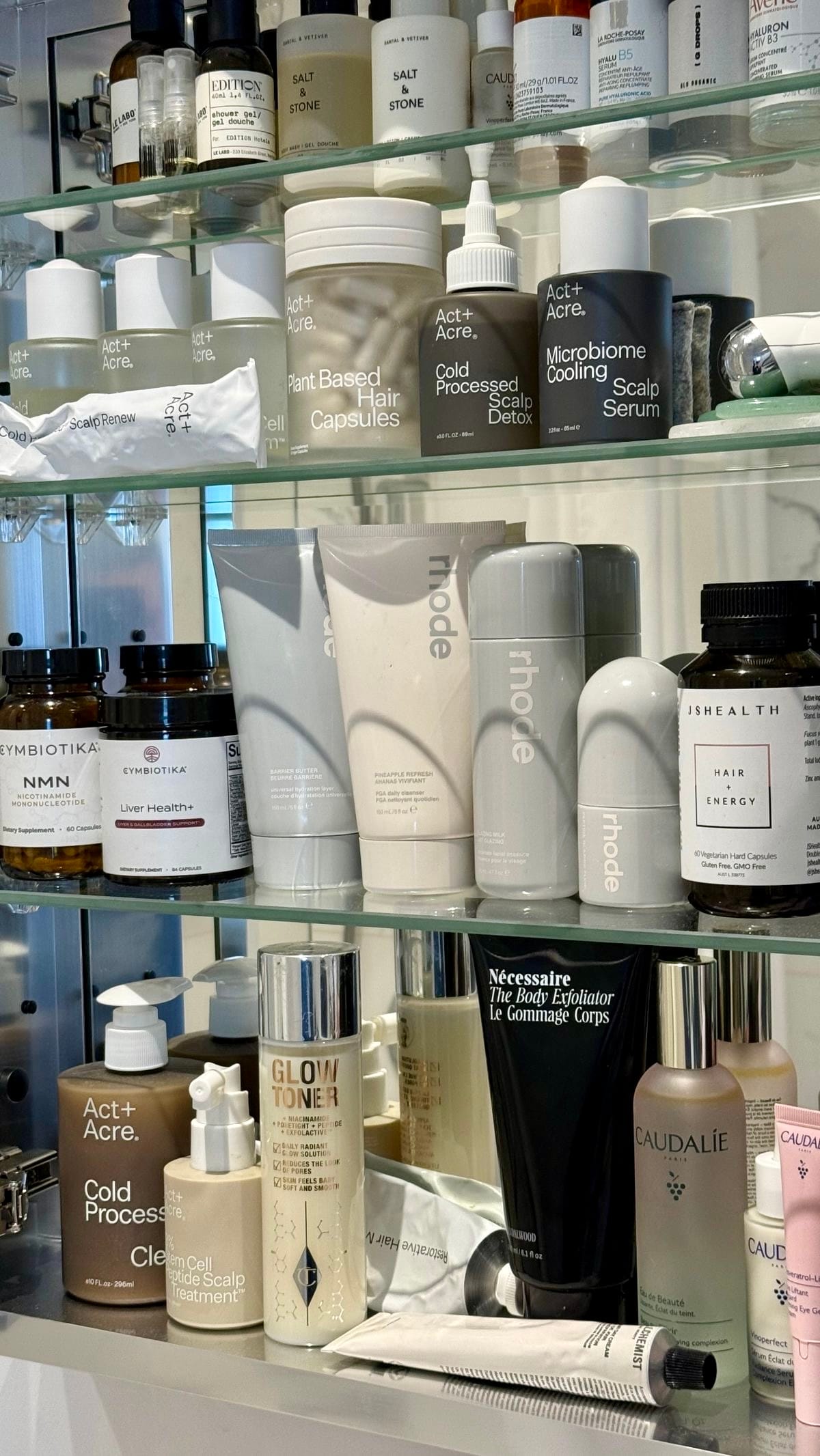
We've got something we know you want to hear, we're about to save you a lot of money. Possibly hundreds, especially if you're someone who impulse-buys skincare based on marketing, packaging or ads. Because here's what nobody tells you: most of us have absolutely no idea what we're actually putting on our faces.
Skincare ingredient lists look like they're written in a different language. Dimethicone. Phenoxyethanol. Butylene Glycol. Unless you have a degree in cosmetic chemistry, you're just trusting that the £80 serum you bought is actually worth £80 and not just expensive marketing wrapped around £5 worth of silicones.
Yesterday we almost reordered a moisturiser we'd been using for months. Then we put the ingredients into AI to check what we were actually paying for. Turns out, the first five ingredients were water, two types of silicone, and fragrance. For £65. We closed the tab immediately.
Here's how to how to check skincare ingredients so you never waste money on overpriced nonsense again.
What AI Can Actually Tell You About Your Skincare
AI tools like ChatGPT, Claude, or any of the free ones can read ingredient lists and explain what you're actually buying. Not the marketing claims, the actual chemistry.
It can tell you:
- What the active ingredients are and what they actually do
- Whether the product has enough of the good stuff to work (actives need to be in certain concentrations)
- If it's mostly silicones and fillers that make skin feel nice but do nothing long-term
- Whether ingredients conflict with each other or with other products you're using
- If expensive products have the same actives as cheaper alternatives
You don't need to be a scientist, you just need to know how to copy and paste an ingredient list into a skincare ingredient checker, otherwise known as your favourite AI tool.
How to Actually Do This
Step 1: Get the Full Ingredient List
Most brands list ingredients on their website. If not, check the product page on a retailer site like Sephora, Cult Beauty, or Lookfantastic or use a site like INCIDecoder. You want the complete INCI list (International Nomenclature of Cosmetic Ingredients), which is the standardized way ingredients are listed.
Ingredients are always listed in descending order by concentration. So if water is first, that's the biggest ingredient. If your expensive active is listed near the end, there's barely any of it in the formula.
Step 2: Copy the Entire List Into AI
Open ChatGPT, Claude, or whatever AI tool you prefer to use. Paste the complete ingredient list and ask:
"Can you analyze this skincare ingredient list and tell me: 1) What are the main active ingredients and what do they do? 2) Are there any concerning ingredients or potential irritants? 3) Is this formulation likely to be effective based on ingredient concentrations? 4) Are there any silicones or fillers that don't provide skincare benefits?"
You can also ask AI to check for specific concerns that matter to you - whether the product is 'clean' 'non toxic' or other factors that are important to you. The AI will then analyze skincare ingredients and break down exactly what you're buying, how it relates to your requirements and things to watch out for.
Step 3: Compare Expensive vs Cheap Skincare
If you're deciding between two products especially if they are different price points, paste both ingredient lists and ask AI to compare them and also to your questions, skin type and skin requirements. You'll often find that a £15 product has the same or better actives than a £150 one. Wild.
Real Example: The Ordinary vs La Mer
Let's look at two moisturisers with very different price points.
The Ordinary Niacinamide 10% + Zinc 1% - £6 Ingredients: Aqua (Water), Niacinamide, Pentylene Glycol, Zinc PCA, Dimethyl Isosorbide, Tamarindus Indica Seed Gum, Xanthan Gum, Isoceteth-20, Ethoxydiglycol, Phenoxyethanol, Chlorphenesin
What AI tells you:
- Second ingredient is Niacinamide at 10% concentration - this is the active ingredient
- Third ingredient is Pentylene Glycol - a humectant that helps hydration
- Fourth is Zinc PCA - helps with oil control and acne
- Rest are stabilizers and preservatives
- No silicones, no fillers, mostly active ingredients
- This is a straightforward, effective formula
La Mer Crème de la Mer - £330 Ingredients: Algae Extract, Mineral Oil, Petrolatum, Glycerin, Isohexadecane, Microcrystalline Wax, Lanolin Alcohol, Citrus Aurantifolia (Lime) Extract, Sesamum Indicum (Sesame) Seed Oil, Eucalyptus Globulus (Eucalyptus) Leaf Oil... [continues with 30+ ingredients]
What AI tells you:
- Second and third ingredients are Mineral Oil and Petrolatum - these are occlusives (sealants) that prevent water loss but don't actively hydrate
- The "Algae Extract" is their proprietary "Miracle Broth" but algae extract can mean anything from powerful antioxidants to basic moisturizing agents
- Contains fragrances (Eucalyptus Oil, Lime Extract) which can irritate sensitive skin
- Lots of emollients and occlusives that make skin feel amazing but don't necessarily provide anti-aging benefits
- The actives (Niacin, which is vitamin B3) are listed much further down, meaning there's less of them
Is La Mer bad? No. It's a good moisturizer with decent ingredients. But you're paying £330 largely for the texture, the experience, and the brand. The actual skin-transforming actives aren't particularly concentrated.
What We Learned From Doing This
Silicones aren't evil, but they shouldn't be the star. Dimethicone, Cyclopentasiloxane, Cyclohexasiloxane - these make products feel silky and smooth. They're in almost everything. But if they're in the top five ingredients and there are no real actives, you're buying expensive slip, not skincare.
"Sensitive skin" products often aren't. We checked several products marketed for sensitive skin. Half of them contained fragrance or essential oils, which are common irritants. AI flagged them immediately.
Expensive doesn't mean effective. Some of the most expensive products we checked had actives listed so far down the ingredient list that they were basically window dressing. Meanwhile, some £10 serums had actives in the top three ingredients at proper concentrations.
Active ingredients need to be in specific concentrations to work. Niacinamide needs to be 2-10% to be effective. Vitamin C needs to be 10-20%. Retinol needs to be 0.25-1%. If these actives are listed way down in the ingredients (after preservatives), there's not enough of them to do anything.
What to Watch Out For
"Proprietary blends" and vague ingredient names. If a brand won't tell you exactly what's in their "miracle complex," be skeptical. AI can only analyze what's actually listed.
Fragrance and essential oils high up in the list. Unless you specifically want a product to smell nice, fragrance serves no skincare purpose and is a common irritant. If "Parfum" or "Fragrance" or essential oils are in the top 10 ingredients, you're paying for scent. Plus synthetic fragrance is a known to cause irritation, is vague AF as to what it actually contains and provides zero skincare benefits.
Water, water everywhere. Almost all skincare starts with water as the first ingredient. That's fine. But if the next four ingredients are also just solvents and fillers, you're buying very expensive water.
Long ingredient lists aren't necessarily better. Some products have 50+ ingredients. More ingredients doesn't mean more effective. Often it just means more potential irritants. AI can help you figure out if those 50 ingredients are doing anything useful or just creating a complicated formula.
The Bottom Line
You don't need to become a cosmetic chemist. You just need to spend five minutes pasting ingredient lists into AI before you hand over your money.
Since we started doing this, we've saved hundreds by not buying overpriced products with mediocre formulations. We've also discovered some genuinely excellent affordable products that we would have overlooked because they don't have luxury packaging or celebrity endorsements.
Your skincare routine should be based on what's actually in the bottle, not what the marketing department wants you to believe. AI levels the playing field. Use it.